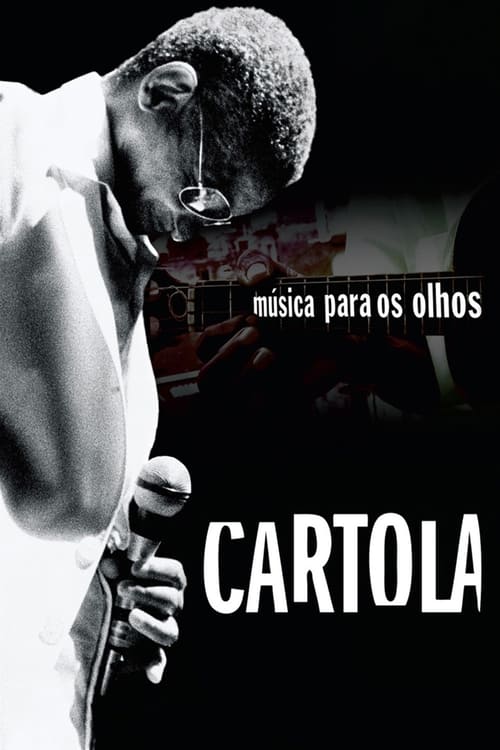
Cartola: The Samba Legend
2007
No user ratings available yet
Representation score: 5.6 out of 10
Representation Score
Excellent
1969
Director
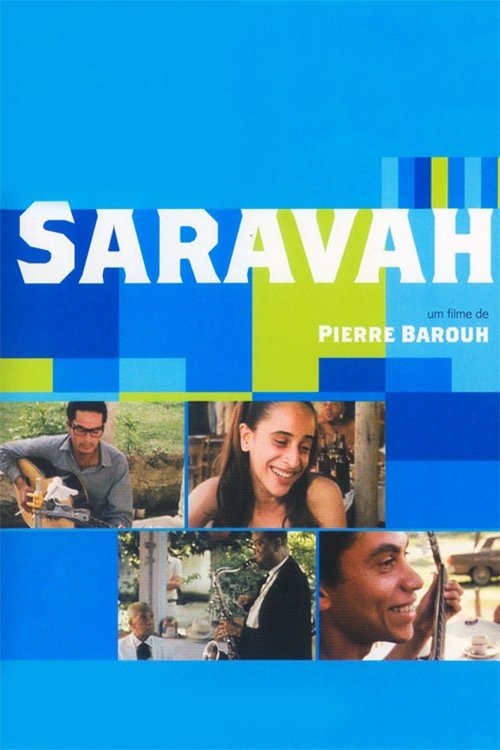
Pierre Barouh
Runtime
60 minutes
Average Rating
No ratings yetNew Showbiz Analysis
Pierre Barouh’s documentary is a vital cinematic artifact that centers the African diaspora and Black musical excellence. It successfully disrupts Western-centric viewing habits by prioritizing the cultural sovereignty of underrepresented populations and celebrating the Pan-African movement. While the film excels in racial and cultural representation, it remains neutral regarding disability and LGBTQ+ identities. It functions primarily as a cultural archive rather than a vehicle for specific identity-based narratives. Ultimately, the work serves as a powerful deconstruction of colonial power dynamics through its dedication to documenting non-Western artistic brilliance.
Category Breakdown
The film acts as a musical archive rather than a narrative study of identity. It does not focus specifically on LGBTQ+ or queer-specific stories.
Women like Maria Bethânia are shown exercising creative ability to act in professional settings. While these portrayals challenge domestic stereotypes, the documentary does not center on subverting gender hierarchies.
This documentary is a profound celebration of Black ability to act and the African diaspora. It provides high-visibility coverage of icons like Pixinguinha and João da Baiana.
The film critiques Western hegemony by documenting the Pan-African and Black Power movements. It prioritizes the cultural sovereignty of non-Western musical traditions.
There is no specific evidence regarding the portrayal of physical or neurodivergent disabilities. The focus remains on cultural and political ability to act.
Present on Screen
Limited or Absent
Official Synopsis
Documentary about Brazilian music circa 1969, with extremely rare scenes, such as the only color footage of Pixinguinha, images of João da Baiana, one of the fathers of Samba, Maria Bethânia rehearsing at Barroco nightclub, Baden Powell playing his acoustic guitar, Paulinho da Viola showing his masterpiece "Coisas do Mundo, Minha Nega", that he had just finished, and Márcia, a singer from São Paulo.
2007
2009
1976
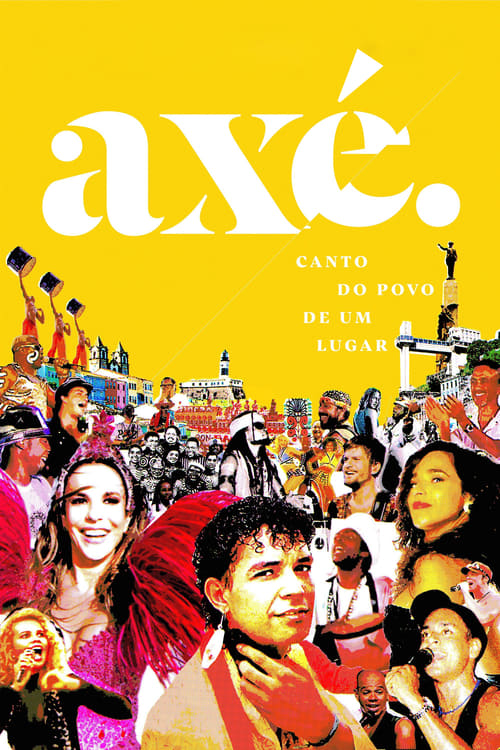
2017
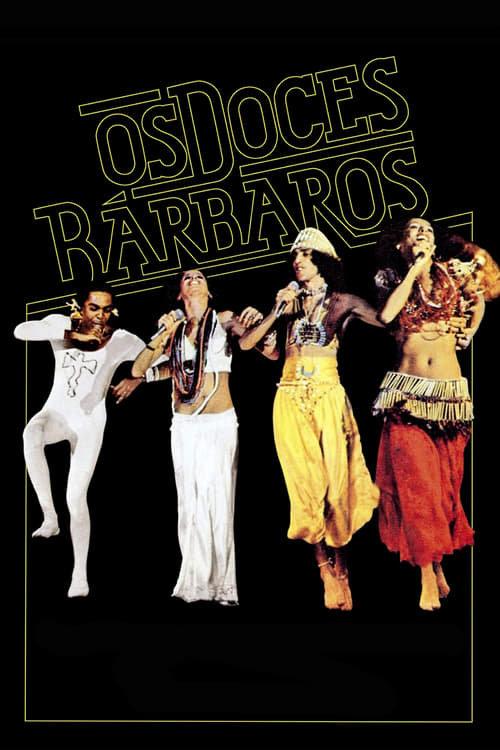
1977
2001
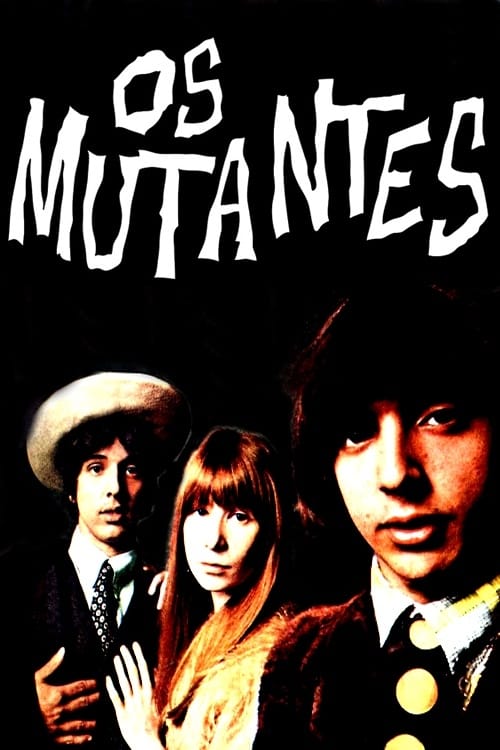
1970
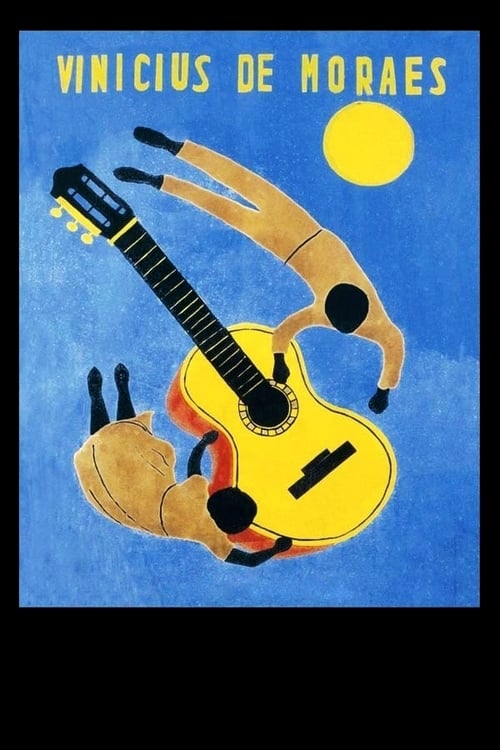
2005
No reviews yet. Be the first to share your thoughts on this movie!
Use the rating form above to leave a star rating and optional review.