
Das Geheimnis des Rosengartens
2000
No user ratings available yet
Diversity score: 3.9 out of 10
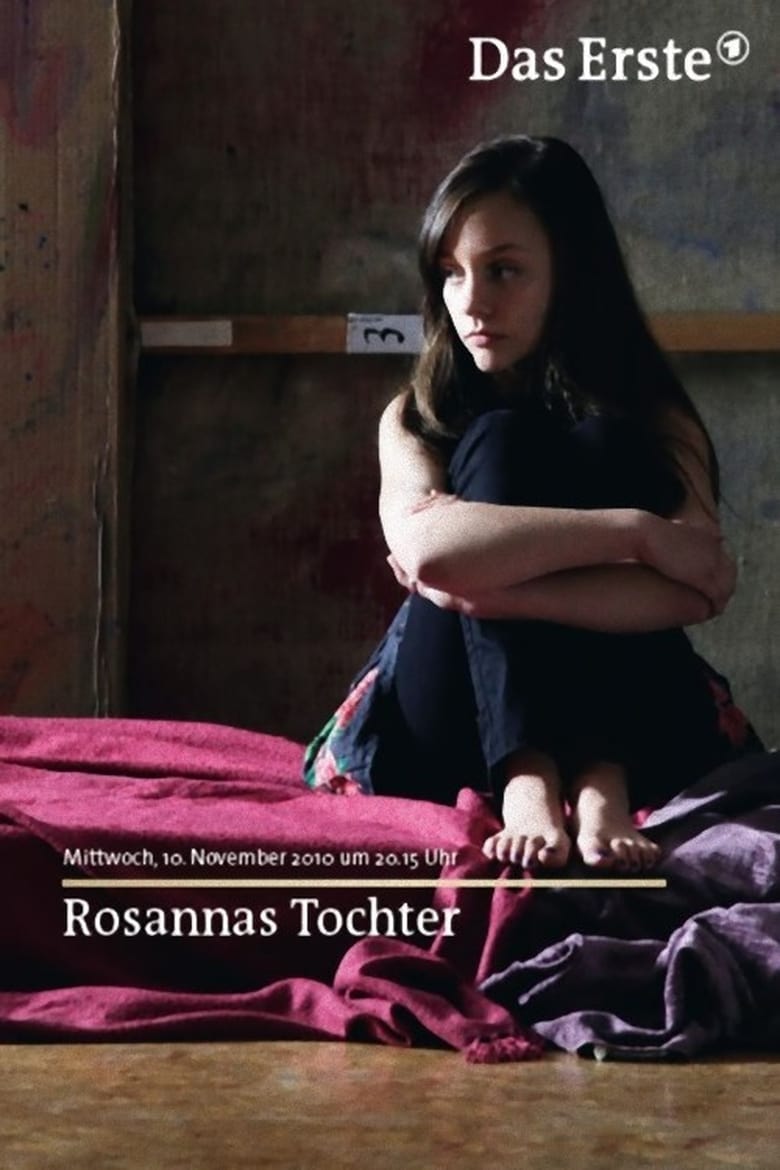
2010
TV-PGDirector
Franziska Buch
Average Rating
No ratings yetSynopsis
The lives of childless couple Nela and Josch change abruptly after the accidental death of Josch's ex-girlfriend Rosanna. The deceased leaves behind her 14-year-old daughter Aimée, who the couple take in after some back and forth. The couple sensitively try to help the girl overcome her pain. But Aimée, who doesn't speak for a long time, is stubborn and unpredictable. Nela fears that the teenager wants to destroy her marriage and makes serious accusations against the girl. Josch, who is absorbed in the role of family man, doesn't seem to notice.
Overall Score
Fair
Category Breakdown
LGBTQ+ Representation
The film maintains a traditional heteronormative framework. There are no identifiable LGBTQ+ characters or non-heteronormative relationship structures present in the narrative.
Gender Representation
Female perspectives drive the emotional tension, centering on maternal legacy and domestic conflict. The film subverts hierarchies by portraying the male lead as emotionally inept compared to the women.
Racial & Ethnic Diversity
The cast is primarily homogeneous, reflecting a standard Western European demographic. There is no evidence of color-blind casting or intentional racial blending within this German drama.
Religious & Cultural Diversity
The story explores moral ambiguity and the breakdown of the family unit. It challenges idealized notions of a harmonious household by depicting the family as a site of psychological warfare.
Disability Representation
Aimée exhibits psychological trauma through selective mutism and unpredictable behavior. However, these traits serve primarily as plot drivers rather than nuanced explorations of lived experience with mental health.
Strengths
Areas for Improvement
AI Analysis
Rosannas Tochter is a character-driven study of grief that prioritizes psychological realism over demographic breadth. It avoids the sanitized version of family life often found in domestic dramas, opting instead to highlight the fragility of domestic institutions. The film's strength lies in its disruption of the 'perfect family' trope. By focusing on the friction between established domesticity and the agency of a grieving adolescent, it offers a nuanced look at interpersonal power dynamics. However, the film lacks significant intersectional diversity. It operates within a traditional framework that lacks racial variety and LGBTQ+ representation, focusing instead on a specific, homogeneous social context.
No reviews yet. Be the first to share your thoughts on this movie!
Use the rating form above to leave a star rating and optional review.