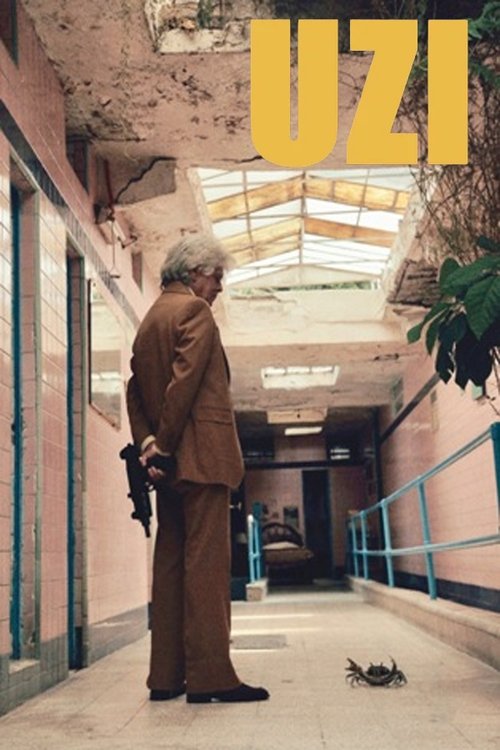
Uzi
2020
No user ratings available yet
Representation score: 1.9 out of 10

Representation Score
Excellent
2018
Director
Agustín Toscano
Runtime
94 minutes
Average Rating
No ratings yetNew Showbiz Analysis
The film stands out for its commitment to social realism and cultural authenticity. By setting the story in the specific urban landscape of Tucumán, it avoids sanitized or Anglo-centric narratives. The use of a local cast ensures a realistic portrayal of class and ethnicity. However, the film lacks explicit representation of LGBTQ+ identities or neurodivergence. While it challenges some gender hierarchies, the central power dynamic remains rooted in a traditional victim-perpetrator cycle. Ultimately, the work's strength lies in its refusal to offer simple moral resolutions. It prioritizes a complex, situational ethics that challenges the audience's expectations of redemption and justice.
Category Breakdown
The film does not include any central LGBTQ+ identities or queer romantic arcs. The narrative focuses solely on the interpersonal tension between the thief and his victim.
The story centers around a male protagonist's psychological breakdown. Elena, the female character, provides the emotional weight and triggers the protagonist's crisis.
The film offers a genuine depiction of Tucumán's socio-economic and ethnic landscape. It uses a local, non-homogenized cast to avoid the whitewashing common in international productions.
The narrative critiques traditional views of justice and merit. It presents a world where systemic dysfunction and urban environments shape the characters' ethics.
Physical injury serves as a central plot driver. The depiction avoids sentimental exploitation, focusing instead on the unglamorous reality of trauma and the burden of care.
Present on Screen
Limited or Absent
Official Synopsis
In the Argentinian city of Tucumán, Miguel is making a living as a “motochorro”, a thief who snatches people’s belongings fromhis motorbike. When he steals the purse of Elena, an old woman, he ends up hurting her badly. After the brutal incident, Miguel is plagued by guilt and unable to forget about his victim. In an attempt to make things right, he conceals his true identity from the old woman and starts to take care of the injured and unsuspecting Elena. The closer he gets to her the more he becomes entangled in his own lies. Afraid of telling Elena the truth, Miguel continues to be haunted by his past and is unable to find true redemption.
2020

2011

2017

2015

2016

2003

2017

2009
No reviews yet. Be the first to share your thoughts on this movie!
Use the rating form above to leave a star rating and optional review.