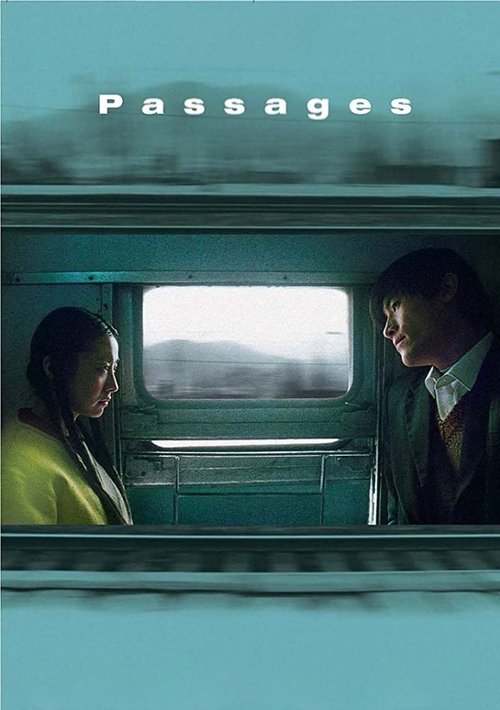
Passages
2004
No user ratings available yet
Representation score: 5.3 out of 10
Representation Score
Fair
2004
Director
Cheng Wen-tang
Runtime
104 minutes
Average Rating
No ratings yetNew Showbiz Analysis
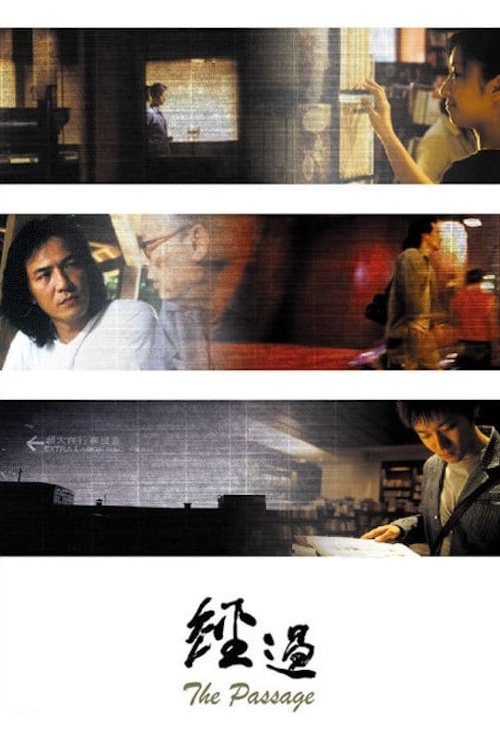
The Passage is a contemplative drama that finds its strength in its cultural specificity. By centering the plot on the pursuit of calligraphy and museum history, the film offers a meaningful departure from Western-centric storytelling norms. While the film excels at portraying East Asian intellectualism and personal passion, it lacks explicit engagement with broader social hierarchies. The narrative focus remains tightly bound to the emotional interiority of its central characters. Ultimately, the film provides a nuanced look at how art and history shape human connection, though it remains neutral regarding many modern diversity benchmarks.
Category Breakdown
The film explores a romantic connection between Ching and Tung-Heng but does not explicitly confirm any non-straight relationships or queer identities.
Ching is a female protagonist who demonstrates emotional ability to act. She deals with a relationship where her partner is focused on his work, potentially serving as the emotional catalyst in the story.
As a Taiwanese production, the film centers on a non-Western cast. The plot delves into East Asian cultural heritage through the study of historical calligraphy.
The narrative emphasizes cultural intellectualism by focusing on museum history and art preservation. It values aesthetic and historical appreciation over consumerism.
The film does not include any characters navigating physical, neurodivergent, or mental health conditions.
Present on Screen
Limited or Absent
Official Synopsis
Passionate about life and art, young researcher Ching is in love with museum historian Tung-Heng, but he is absorbed in his work. Then Tao arrives in Taiwan to view an item of historical calligraphy, and they realize why he pursues calligraphy.
2004
1985
2004
1986

2016
1995

2014
1996
No reviews yet. Be the first to share your thoughts on this movie!
Use the rating form above to leave a star rating and optional review.