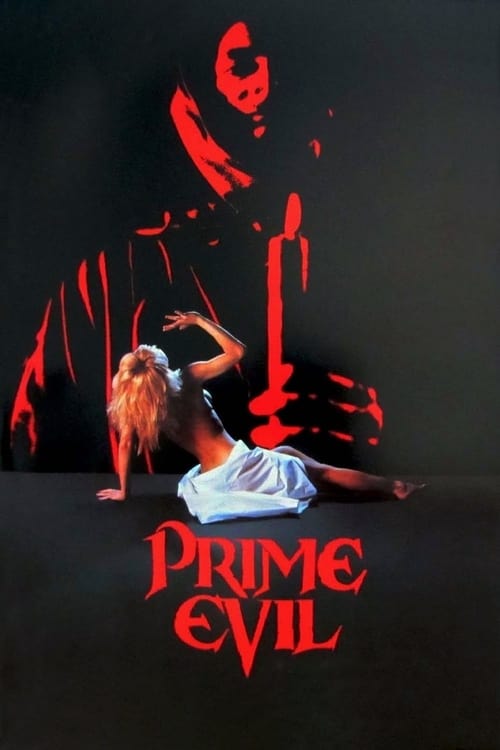
Prime Evil
1988
No user ratings available yet
Diversity score: 3.8 out of 10

1993
Director
Jeffrey Arsenault
Runtime
77 minutes
Average Rating
No ratings yetSynopsis
A vampire in the East Village picks up women, and while having sex with them kills them and drinks their blood. Meanwhile, a young Puerto Rican guy begins searching the Village for his sister, who is one of the vampire's victims.
Overall Score
Fair
Category Breakdown
LGBTQ+ Representation
The film focuses on a predatory vampire targeting women. There is no evidence of non-cisnormative identities or narratives designed to critique heteronormativity.
Gender Representation
The story centers on a male predator and female victims. Power dynamics follow conventional horror tropes of male dominance and female passivity.
Racial & Ethnic Diversity
The narrative features a young Puerto Rican man as the protagonist. This centers a character of color in a search for justice within the East Village.
Religious & Cultural Diversity
The East Village setting provides a backdrop for exploring urban decay or social isolation. The search for a missing person suggests potential themes of systemic failure.
Disability Representation
There is no mention of characters possessing visible or invisible disabilities.
Strengths
Areas for Improvement
AI Analysis
Night Owl offers a mixed portrayal of diversity, anchored by a protagonist who breaks typical genre molds. By centering a Puerto Rican man in the search for his sister, the film provides a level of racial agency often missing from 1990s urban horror. However, the film remains tethered to traditional genre tropes regarding gender and sexuality. The central conflict relies on a male predator and female victims, reinforcing conventional power imbalances rather than subverting them. Ultimately, the film's strength lies in its racial centering, while its weaknesses stem from its adherence to established, heteronormative horror frameworks.
No reviews yet. Be the first to share your thoughts on this movie!
Use the rating form above to leave a star rating and optional review.