
Alien Nation: The Udara Legacy
1997
No user ratings available yet
Representation score: 6.6 out of 10

Representation Score
Good
1994
Director
Kenneth Johnson
Runtime
90 minutes
Average Rating
No ratings yetNew Showbiz Analysis
Alien Nation: Dark Horizon excels as a piece of speculative social commentary, using science fiction to deconstruct systemic oppression. Its strongest asset is the metaphorical depth provided by the Newcomer species, which mirrors the struggles of immigrant and minority populations facing renewed threats of enslavement. While the film provides a robust critique of exclusionary social structures and nationalist ideologies, it lacks depth in other areas of identity. The narrative remains largely centered on species-based social status, leaving little room for exploring LGBTQ+ or disability-centric perspectives. Ultimately, the film succeeds by shifting the focus away from human-centric storytelling to center the ability to act and civil rights of a underrepresented population.
Category Breakdown
The story focuses on the integration of the Newcomer species into society. It does not depict non-traditional gender identities or same-sex relationships, staying within conventional assumptions about relationships.
The plot often emphasizes traditional masculine leadership in law enforcement roles. However, the survival of the Newcomer population provides a diverse perspective that challenges standard genre clichés.
The film uses the Newcomer species as a metaphor for the immigrant experience and civil rights struggles. It critiques systemic xenophobia and historical patterns of oppression and segregation.
The narrative critiques nationalist and segregationist ideologies through its depiction of 'human-first' political movements. It prioritizes the rights of underrepresented groups over exclusionary social orders.
There is no prominent focus on visible or invisible disabilities. Characters are defined by their species-based social status rather than physical or neurodivergent identities.
Present on Screen
Limited or Absent
Official Synopsis
Followup movie to the TV series about 250,000 aliens, or "newcomers" as they are known, who have by now settled alongside the humans in California. Most of the newcomers were slaves, and the slave masters are now looking for them. They send Aponso to earth to locate the slaves ready for the aliens to pick them up.
1997
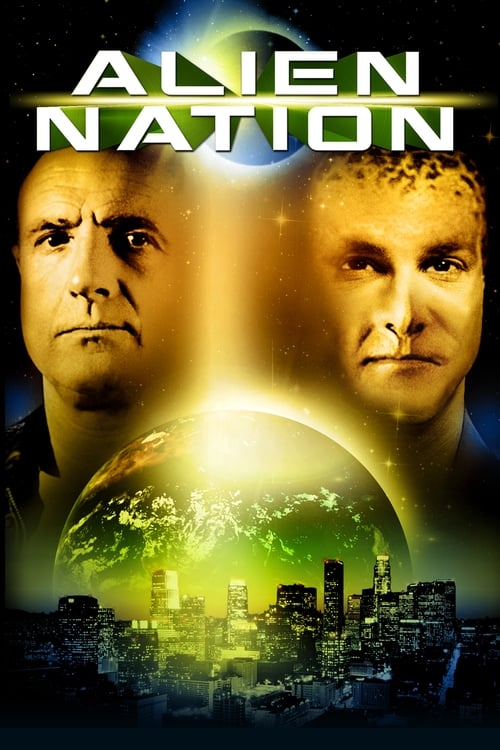
1988
1996

2009

1995

2000
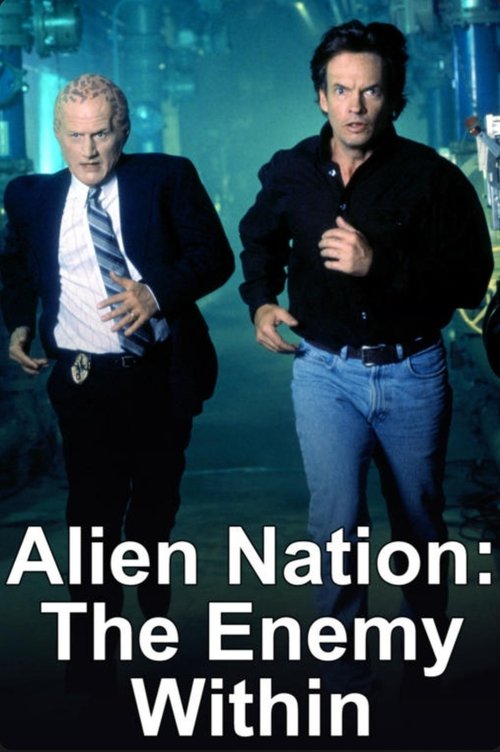
1996

2005
No reviews yet. Be the first to share your thoughts on this movie!
Use the rating form above to leave a star rating and optional review.