Dracula
2025
No user ratings available yet
Representation score: 3.6 out of 10
Representation Score
Limited
2013
RDirector
Pearry Reginald Teo
Runtime
100 minutes
Average Rating
No ratings yetNew Showbiz Analysis
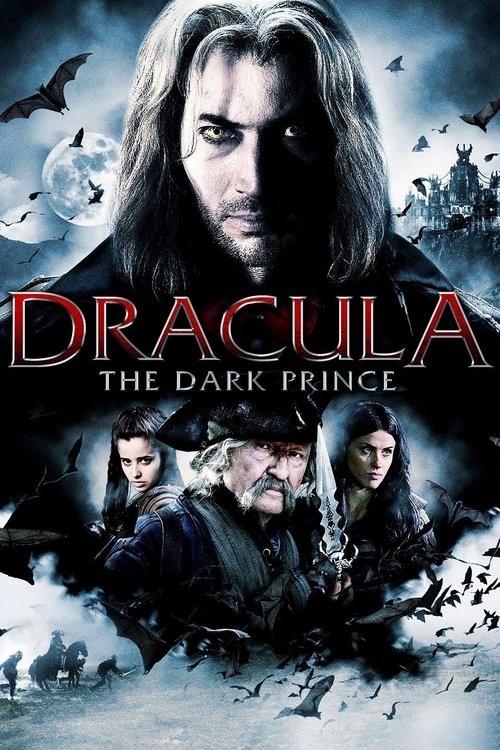
Dracula: The Dark Prince is a genre-standard production that prioritizes mythic storytelling over contemporary social commentary. The narrative structure relies on the 'Beauty and the Beast' archetype, focusing on reincarnation and obsession rather than identity-driven narratives. The film adheres to traditionalist paths, emphasizing a singular protagonist within a historical fantasy setting. It functions primarily as a reinforcement of established cinematic clichés rather than a subversion of social or cultural structures. Ultimately, the production lacks the systemic intentionality required for progressive representation, opting instead for a conventional framework that mirrors historical gothic traditions.
Category Breakdown
The film focuses on a romantic relationship between Dracula and Alina, which follows traditional heterosexual norms. It does not include any characters with non-binary gender identities or narratives that challenge traditional structures.
Gender roles in the film follow gothic horror conventions, where Alina serves as a catalyst for the male protagonist's journey. Her role is defined by her resemblance to a past love, reinforcing traditional feminine passivity.
The production maintains a typical Eurocentric gothic aesthetic. There is no indication of color-blind casting or the intentional inclusion of diverse ethnic identities within the narrative's power structures.
The story operates within a framework of traditional Western dark fantasy. It leans into established vampire mythology without critiquing Western institutions or religious structures.
Characters with visible or invisible disabilities are not featured as central to their own stories. The film lacks nuanced representation of neurodivergence or chronic illness.
Present on Screen
Limited or Absent
Official Synopsis
In his search for the Lightbringer, Dracula crosses paths with a beautiful crusader named Alina who bears a remarkable resemblance to his murdered bride. One look at her and Dracula is immediately smitten. Could Alina be the reincarnation of his long-dead love? Dracula has Alina kidnapped and brought to his castle where the Beast must now try to win his Beauty's heart.
2025
1979
2014
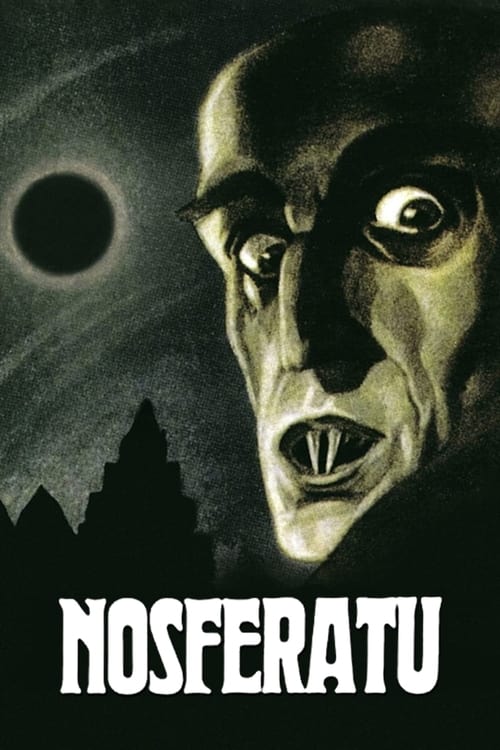
1922
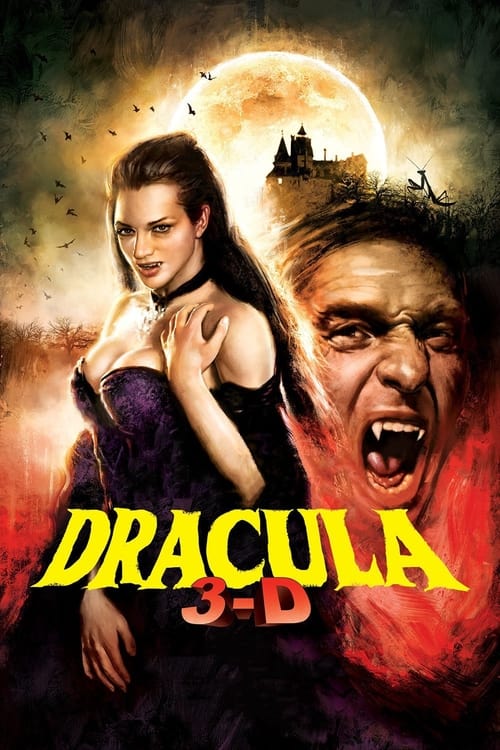
2012
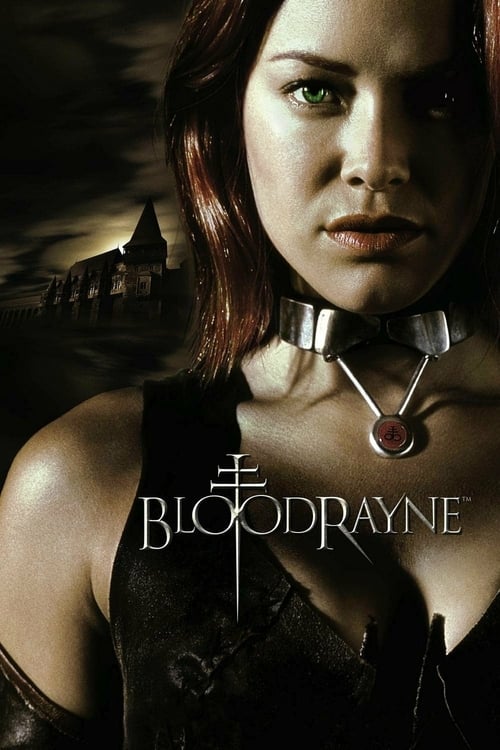
2006
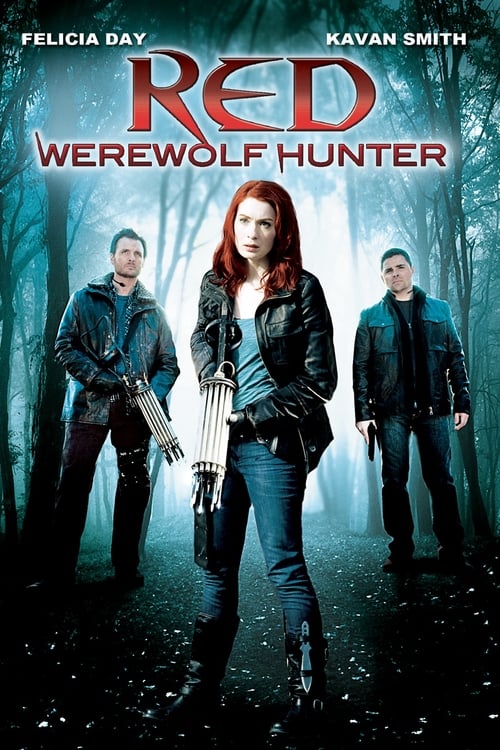
2010
2001
No reviews yet. Be the first to share your thoughts on this movie!
Use the rating form above to leave a star rating and optional review.