
Chasing Luck(y)
2005
No user ratings available yet
Representation score: 3.4 out of 10
Representation Score
Limited
1974
Director
Sigi Rothemund
Runtime
95 minutes
Average Rating
No ratings yetNew Showbiz Analysis
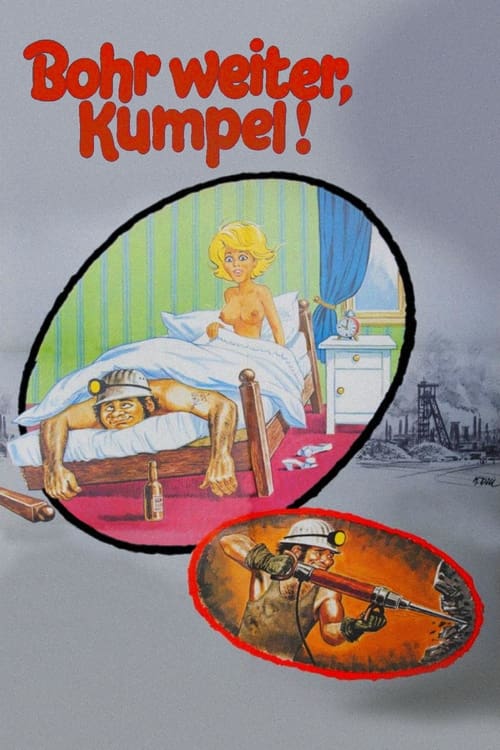
Bohr weiter, Kumpel! is a period-specific comedy that reinforces traditional social hierarchies. The narrative relies on conventional comedic clichés that lack multi-layered complexity or progressive social commentary. The film's structure prioritizes slapstick humor and individual moral collapse over meaningful character development. It operates within the standard, narrow social frameworks typical of 1970s European comedy. Ultimately, the work lacks representation across most categories, instead utilizing reductive archetypes regarding gender, class, and mental health to drive its plot.
Category Breakdown
The film focuses on heterosexual relationships and traditional comedic archetypes. There is no evidence of non-binary identities or narratives that critique heterosexuality.
Gender roles are reinforced through traditional hierarchies. The portrayal of Erna as a commodity to be pimped out suggests a lack of female empowerment and reinforces patriarchal power dynamics.
The setting is localized and homogeneous, focusing on a specific social class. The film centers a white, Western European experience without intentional diversification.
Themes of financial desperation are explored through a lens of traditional dysfunction. The narrative prioritizes individual greed and slapstick humor over a critique of systemic social structures.
A mental breakdown and psychiatric commitment serve as comedic catalysts. This approach uses psychological struggles as a plot device rather than portraying neurodivergence with nuance.
Present on Screen
Limited or Absent
Official Synopsis
Egon Kappes has a problem. For years, the honest and righteous mountain man has played the lottery with his buddies, and for once he has a winning ticket! But Egon can't find the ticket, and his buddies only have a few days before they have to pay back the usurious "butcher of loans" Noppeney. As the financial situation becomes more dire, Egon forgets about the search for the ticket, and pimps out his wife Erna (Alena Penz) in a brothel of women (run by Elisabeth Volkmann). They go on a shopping spree while completely forgetting about the loan. After a mental breakdown and being committed to a psychiatric clinic, Egon "comes across" two self-sacrificing nurses Monika and Veronica (Uschi Karnat), who help him remember where the winning lottery ticket was placed...
2005
1985

1989

1998
1976
1971

1964

2002
No reviews yet. Be the first to share your thoughts on this movie!
Use the rating form above to leave a star rating and optional review.