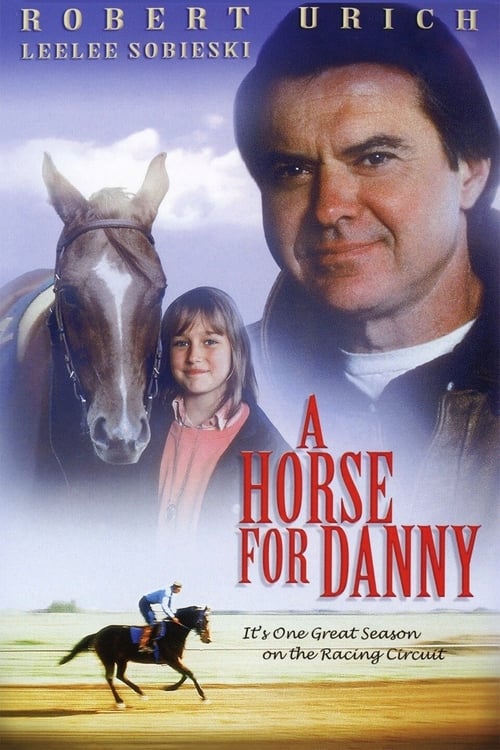
A Horse for Danny
1995
No user ratings available yet
Representation score: 0.4 out of 10
Representation Score
Limited
2003
PGDirector
Paul Schneider
Runtime
90 minutes
Average Rating
No ratings yetNew Showbiz Analysis
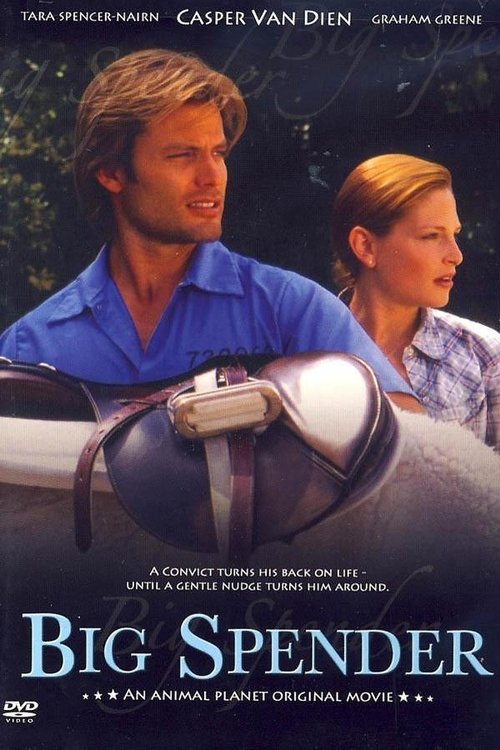
Big Spender is a sentimental drama that relies on traditional storytelling clichés of paternal duty and personal redemption. The narrative follows a convict's journey toward reform through manual labor and caring for horses, reinforcing traditional values of personal responsibility. The film does not intentionally challenge established social hierarchies or power dynamics. Instead, it focuses on the importance of family bonds and the sanctity of familial obligations. Ultimately, the work remains within conventional Western dramatic frameworks, offering limited diverse or characters who reflect more than one aspect of diversity.
Category Breakdown
The film adheres to traditional social norms and does not include any representation of LGBTQ+ identities or non-cisgender perspectives.
The story focuses on male characters and traditional masculine roles, such as labor and redemption. Female characters play important roles but are often sidelined.
The narrative centers on a local socioeconomic struggle and does not include a diverse cast or intentional focus on racial diversity.
The film upholds traditional Western storytelling values, emphasizing the importance of work and honoring commitments to elders.
The protagonist faces systemic issues related to incarceration, but the film does not depict characters with physical or neurological disabilities.
Present on Screen
Limited or Absent
Official Synopsis
Orphan Eddie Burton is not bad, but too many screw-ups land him repeatedly in jail, so his 8-year old son Will, simply abandoned by his 'mother', has nobody else then Eddie's granny. When he hears about a program for convicts working an a foundation's farm for retired race horses, Eddie signs up and proves his talent with Big Spender, who was found completely run down. He nurses the horse back to health, and convinces Jake Cotter, the man in charge, to try a stunt: train him for an new career in jumping, which is a success when his dedicated race jockey Mel Tennant volunteers to ride him again. If he does really well, he may even get a certificate opening the perspective of a real job, which he desperately needs when grandma dies after having him swear he'll get out: the nightmare alternative is to leave Will lingering in the very home that did Eddie no good
1995
1945
1999
2005
2004

1991

2005

2021
No reviews yet. Be the first to share your thoughts on this movie!
Use the rating form above to leave a star rating and optional review.