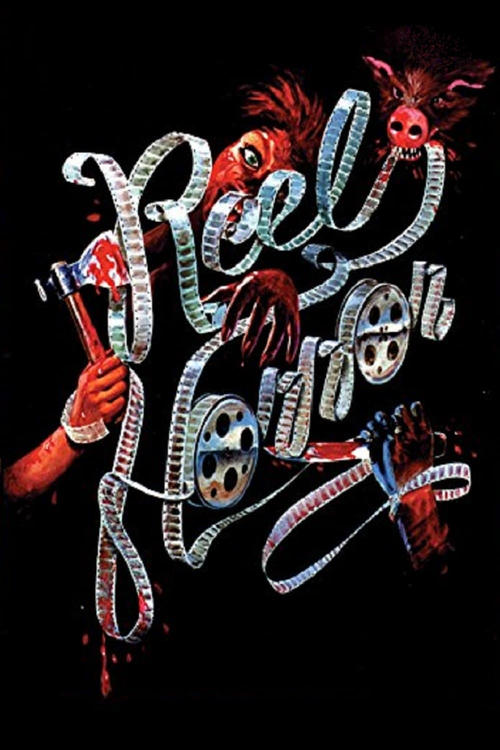
Reel Horror
1985
No user ratings available yet
Diversity score: 2.8 out of 10

1959
Director
Peter Graham Scott
Runtime
62 minutes
Average Rating
No ratings yetSynopsis
Three teenagers encounter a ghost who is in limbo until he retrieves his lost head. They do their parts to help him find it.
Overall Score
Limited
Category Breakdown
LGBTQ+ Representation
The film lacks any evidence of non-cisnormative identities or same-sex intimacy. The teenage-led supernatural quest appears to reinforce the heteronormative social structures typical of 1959.
Gender Representation
The narrative centers on a group of teenagers assisting a ghost. Female characters likely occupy supporting or reactive roles rather than driving the plot, following mid-century genre conventions.
Racial & Ethnic Diversity
The production follows the era's tendency toward homogeneous casting. There is no indication of diverse ethnic representation or the use of non-human species as metaphors for race.
Religious & Cultural Diversity
The plot operates within a traditional moral framework regarding the afterlife. It lacks critiques of Western institutions, capitalism, or organized religion, focusing instead on a standard spiritual resolution.
Disability Representation
The headless ghost serves as a central physical impairment. However, this disfigurement functions as a whimsical plot device rather than a nuanced exploration of lived experience.
Strengths
Areas for Improvement
AI Analysis
The Headless Ghost is a product of its time, adhering strictly to the mid-century cinematic frameworks of 1959. It prioritizes established fantasy-comedy tropes over any meaningful deconstruction of social hierarchies or intersectional identities. The film lacks visible diversity in terms of race, gender, or LGBTQ+ representation. It functions as a standard genre piece that reinforces the conventional social norms of the late 1950s. While the central conceit involves a physical impairment, it is treated as a supernatural spectacle rather than a character-driven study of disability. The result is a traditionalist narrative with minimal deviation from the era's status quo.
No reviews yet. Be the first to share your thoughts on this movie!
Use the rating form above to leave a star rating and optional review.