Alien from L.A.
1988
No user ratings available yet
Diversity score: 3.0 out of 10
1987
PGDirector
Michael Pakleppa, Sias Odendal
Runtime
99 minutes
Average Rating
No ratings yetSynopsis
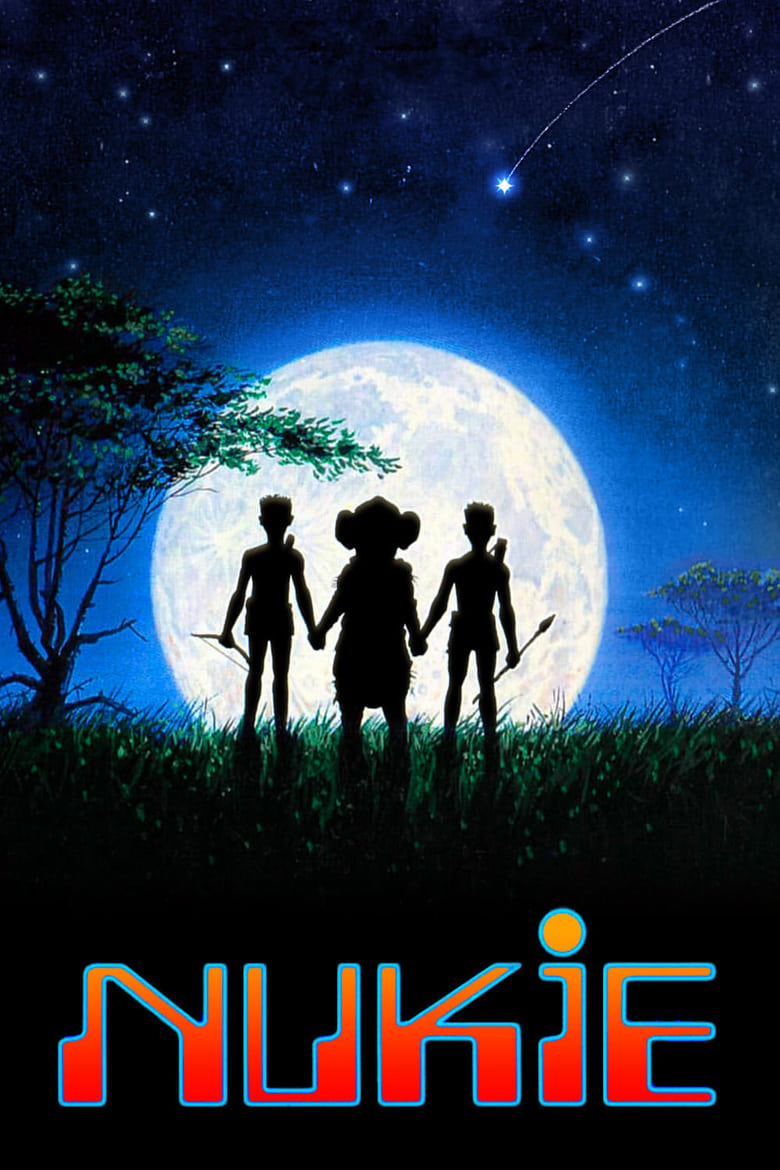
A space child, lost in the universe, is abducted by the U. S. Space Foundation. In a desperate intergalactic search for the frightened little alien, his brother Nukie® mistakenly lands in Africa where he is befriended by African twins. Together they journey through the laughter and adventure of talking lions, a greedy witch doctor, a charming chimpanzee, a feisty nun, a compassionate scientist and an outrageous romantic computer named E.D.D.I.
Overall Score
Fair
Category Breakdown
LGBTQ+ Representation
The film lacks any discernible presence of non-cisnormative gender identities or same-sex intimacy. It adheres to the traditional heteronormative structures common to 1980s family cinema.
Gender Representation
Female characters appear in active roles, such as a feisty nun and a compassionate scientist. However, the film does not actively challenge traditional gendered power dynamics or hierarchies.
Racial & Ethnic Diversity
The story centers on African twins who act as primary guides and protectors for an alien. This placement of non-white protagonists provides meaningful agency within the adventure.
Religious & Cultural Diversity
The narrative uses various archetypes, including a witch doctor and a nun, suggesting a kaleidoscopic view of morality. It lacks an explicit critique of Western institutions or organized religion.
Disability Representation
There is no evidence of visible or invisible disabilities being utilized as central plot devices. No characters are portrayed with specific agency regarding disability.
Strengths
Areas for Improvement
AI Analysis
Nukie serves as a transitional piece of genre cinema that prioritizes escapism over social critique. Its primary strength is the subversion of Western-centric tropes by centering the adventure in Africa and making African twins the protagonists. This provides a refreshing departure from the standard space explorer archetype. However, the film remains within the bounds of conventional 1980s storytelling. While it avoids many harmful stereotypes, it lacks the narrative complexity to engage with deeper critiques of power, identity, or systemic structures. The reliance on folkloric archetypes like the witch doctor suggests a surface-level approach to culture. Ultimately, the film succeeds in fostering cross-cultural and cross-species empathy through its central friendship. It offers moderate representation through its setting and character roles, even if it does not strive for postmodern social subversion.
No reviews yet. Be the first to share your thoughts on this movie!
Use the rating form above to leave a star rating and optional review.