
Beijing Bicycle
2001
No user ratings available yet
Representation score: 3.4 out of 10
Representation Score
Limited
2019
Director
Tomer Shushan
Runtime
21 minutes
Average Rating
No ratings yetNew Showbiz Analysis
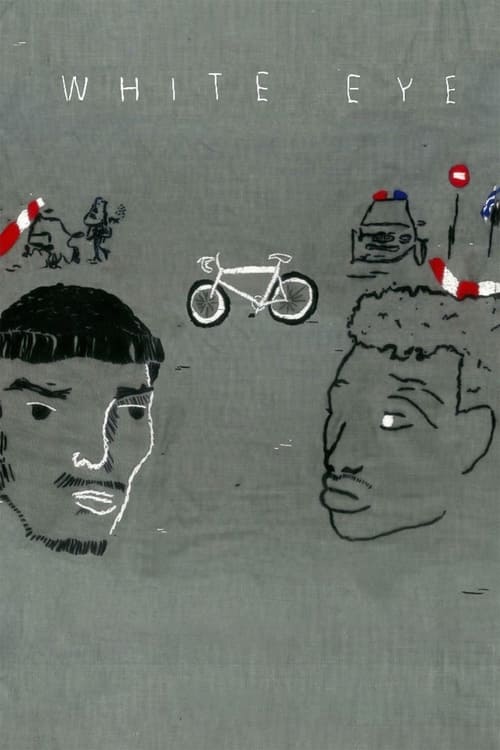
White Eye is a sophisticated drama that avoids geopolitical clichés by focusing on the human cost of systemic division. It succeeds by navigating complex identity politics through a lens of shared vulnerability between two boys. The film's primary strength lies in its dual-narrative structure, which integrates Palestinian and Jewish Israeli perspectives to provide a nuanced critique of the structures that define and divide the characters’ worlds. However, the film’s narrow focus on male childhood experiences limits gender and LGBTQ+ representation. The narrative remains centered on ethnic and national identity rather than exploring broader social diversities.
Category Breakdown
The film does not include any LGBTQ+ characters or storylines. It focuses solely on the cross-cultural friendship between two male protagonists.
The story centers on male childhood experiences. While it avoids reinforcing patriarchal leadership by emphasizing youth vulnerability, it does not actively challenge gender hierarchies.
The film excels by giving equal weight to Jewish Israeli and Palestinian Arab identities. It uses Jerusalem’s physical barriers to highlight systemic ethnic separation and grants the Palestinian protagonist significant control over his story.
The film uses a post-colonial perspective to examine how systemic structures affect individual lives. It criticizes nationalist narratives and institutional authority, presenting borders as arbitrary obstacles to human connection.
No characters with visible or invisible disabilities are central to the narrative.
Present on Screen
Limited or Absent
Official Synopsis
A man finds his stolen bicycle, but now it belongs to a stranger. How much of himself will he lose to get it back?
2001

2011

2020

2017
1999
2016
2020
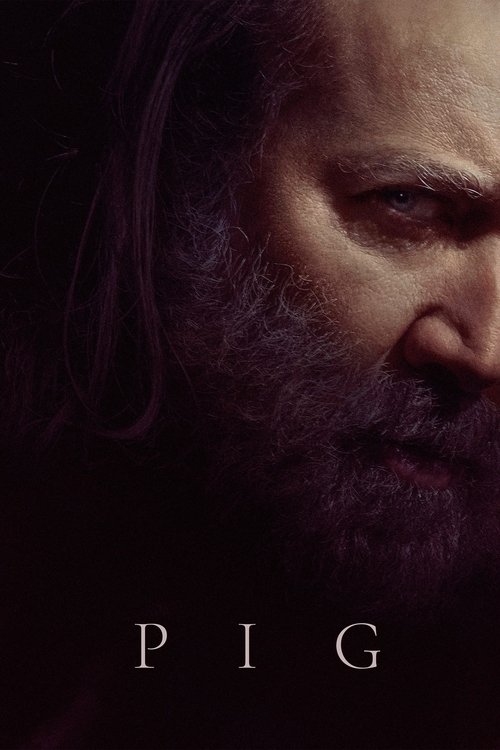
2021
No reviews yet. Be the first to share your thoughts on this movie!
Use the rating form above to leave a star rating and optional review.