
Beautiful
2009
No user ratings available yet
Representation score: 0.9 out of 10
Representation Score
Fair
2010
Director
Fabrice Gobert
Runtime
87 minutes
Average Rating
No ratings yetNew Showbiz Analysis
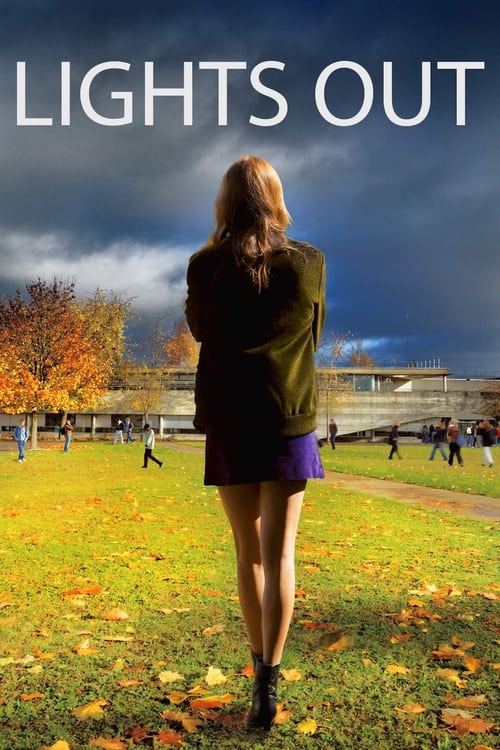
Lights Out is a psychological drama that prioritizes atmospheric tension and the fragmentation of memory over demographic representation. The film focuses on the subjective experience of its characters, providing a unique narrative structure despite a lack of engagement with broader social or multi-layered issues. While the film avoids traditional gender clichés by centering female psychological ability to act, it remains anchored in a homogeneous social setting. The narrative's strength lies in its stylistic approach to truth, though it fails to meaningfully include diverse identities. Ultimately, the film's focus on psychological interiority and the breakdown of social order provides a unique narrative architecture, even if it does not address broader social or multi-layered realities.
Category Breakdown
The film explores intense emotional connections and adolescent tensions through subtle hints. However, it lacks explicit LGBTQ+ identities or well-defined non-cisgender character arcs.
The narrative centers on the psychological unraveling of female protagonists, avoiding traditional damsel-in-distress clichés. It lacks a deeper exploration of power dynamics between genders.
Set in a suburban Parisian boarding school, the cast remains largely homogeneous. The story does not utilize diverse ethnic backgrounds or explore the intersection of different identities.
The film critiques social stability by focusing on the breakdown of order within a private institution. It prioritizes subjective truth and moral relativism over objective morality.
Mental health and collective psychosis serve as atmospheric plot devices to drive the mystery. The film lacks character-driven explorations of neurodivergence or lived experiences with disabilities.
Present on Screen
Limited or Absent
Official Synopsis
March 1992, in a small town in the suburbs of Paris. During an alcohol fueled party, teenagers discover a body hidden in the bushes of a forest. A body that seems lifeless. Two weeks earlier. Simon, a 16 year-old teenager, has not shown up for class. Blood stains are found in a class-room. Run-away, kidnap, suicide, murder? A few days later, Laetitia, a student from the same class goes missing without her parents knowing where she has gone. A young girl with no dark background or connection to Simon. The next day, Jean-Baptiste, a third student, also disappears. Rumors start to spread. The psychosis begins...
2009

2018
2019

2004

2007

2019
2005

1975
No reviews yet. Be the first to share your thoughts on this movie!
Use the rating form above to leave a star rating and optional review.