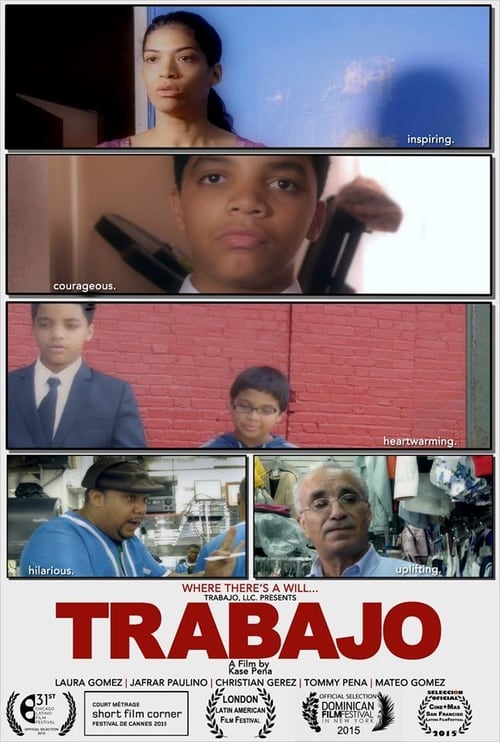
Trabajo
2015
No user ratings available yet
Representation score: 8.9 out of 10
Representation Score
Good
2015
Director
Juan Miguel del Castillo
Runtime
93 minutes
Average Rating
No ratings yetNew Showbiz Analysis
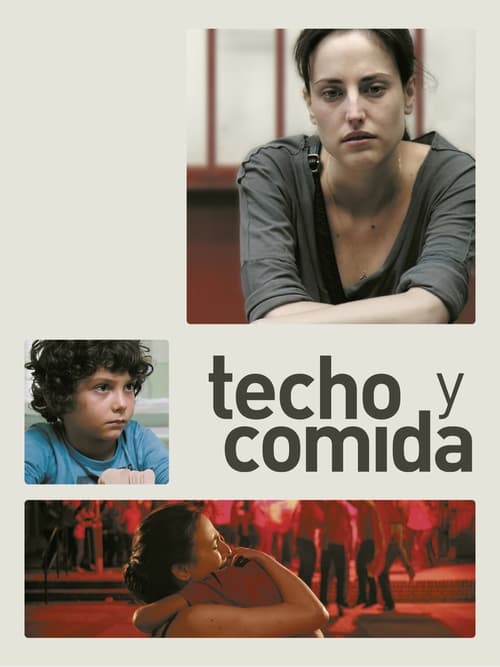
Food and Shelter centers a female protagonist within a social realist framework. By focusing on a single mother's struggle against systemic economic hardship, the film challenges traditional provider roles and emphasizes her resilience. The film also provides a non-Western, Southeast Asian perspective on socioeconomic struggles, offering a localized approach that contrasts with mainstream global cinema's typical family structures. However, the lack of visible LGBTQ+ representation and characters with disabilities leaves these dimensions of diversity unaddressed.
Category Breakdown
The story centers around a traditional nuclear family unit. There are no explicit LGBTQ+ characters or non-straight relationships portrayed.
A single mother is the main character, highlighting her resilience and challenging traditional patriarchal roles. She is shown as the primary force driving the story.
The film presents a Southeast Asian perspective, specifically from the Philippine context. It offers a unique look at socioeconomic struggles outside of Western family structures.
The story critiques capitalist systems through the lens of basic survival. It portrays economic hardship as a result of systemic issues rather than personal failures.
There is no information available regarding the depiction of physical or neurodivergent disabilities in this film.
Present on Screen
Limited or Absent
Official Synopsis
A single mother struggles to pay the rent and put food on the table for her 10 year old son.
2015
1994

2021

2015

2023
2023

2014

1999
No reviews yet. Be the first to share your thoughts on this movie!
Use the rating form above to leave a star rating and optional review.