We Are Still Here
2015
No user ratings available yet
Representation score: 0.4 out of 10
Representation Score
Limited
2015
Not RatedDirector
Uli Edel
Runtime
94 minutes
Average Rating
No ratings yetNew Showbiz Analysis
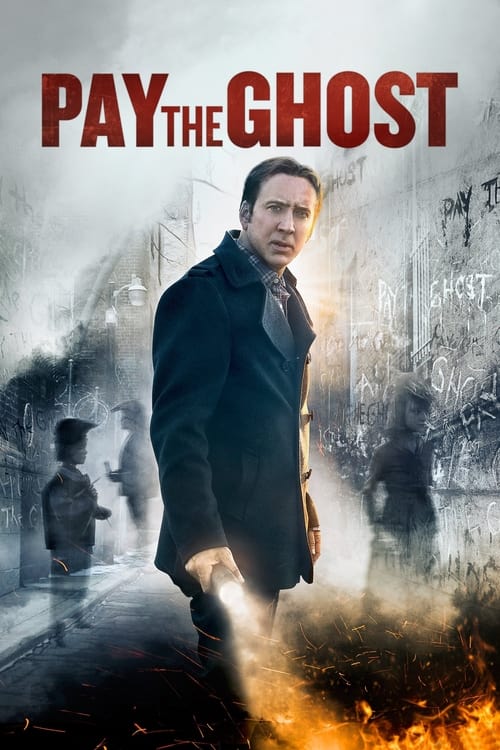
Pay the Ghost is a conventional supernatural thriller that finds its most progressive footing through its lead casting. By placing Laurence Fishburne in a central, actively leading role, the film provides a significant boost to racial representation in a genre that often lacks such depth for Black leads. However, the film remains tethered to traditional clichés. It reinforces conventional gender hierarchies by focusing on a masculine protector archetype and offers little subversion of domestic roles. The narrative lacks engagement with multi-layered identities or systemic critiques. Ultimately, the film's impact is limited by its adherence to standard Western storytelling and its absence of diverse representation regarding disability or LGBTQ+ identities.
Category Breakdown
The film operates within a traditional framework that assumes everyone is straight or cisgender. It does not include LGBTQ+ characters or explore non-straight relationships.
The story centers on a traditional masculine protector archetype. While an estranged wife is included, her role remains largely reactive to the male protagonist's journey.
Laurence Fishburne provides meaningful representation as a central, actively leading protagonist. This disrupts historical trends of white-centric casting within the horror genre.
The narrative follows traditional Western storytelling conventions. Supernatural elements serve as standard genre devices rather than tools for deconstructing religious or capitalist structures.
There is no prominent depiction of visible or invisible disabilities. Character struggles are rooted in psychological grief and supernatural elements rather than lived disability experiences.
Present on Screen
Limited or Absent
Official Synopsis
One year after his young son disappeared during a Halloween carnival, Mike Cole is haunted by eerie images and terrifying messages he can’t explain. Together with his estranged wife, he will stop at nothing to unravel the mystery and find their son—and, in doing so, he unearths a legend that refuses to remain buried in the past.
2015
2012
2013
2011
2019
2019
2009
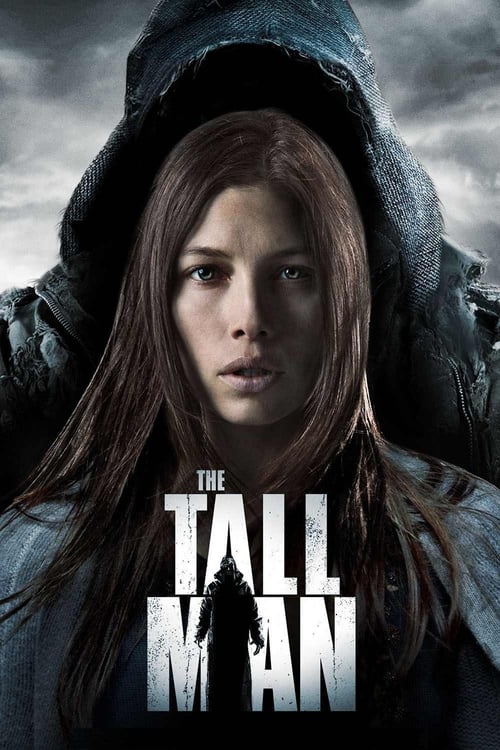
2012
No reviews yet. Be the first to share your thoughts on this movie!
Use the rating form above to leave a star rating and optional review.