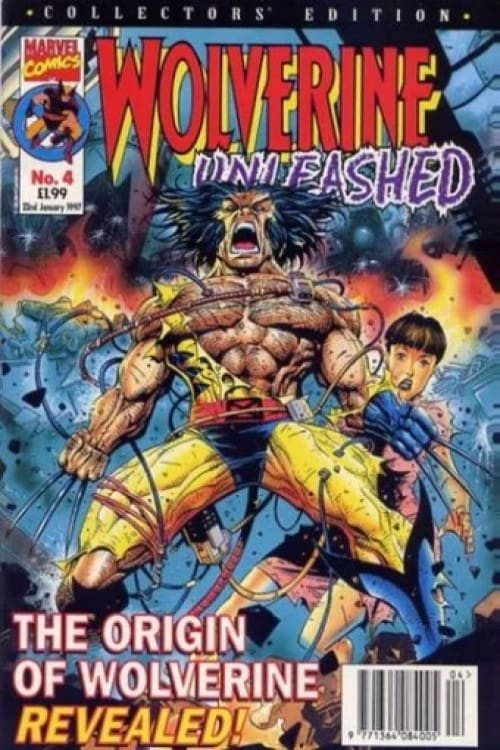
Wolverine Unleashed: The Complete Origins
2009
No user ratings available yet
Representation score: 3.2 out of 10

Representation Score
Fair
2013
Director
Laurent Bouzereau
Runtime
54 minutes
Average Rating
No ratings yetNew Showbiz Analysis
The documentary serves as a behind-the-scenes look at the production of a superhero film. It operates mainly as an observational medium rather than a tool for social critique. While it does not engage significantly with gender or LGBTQ+ themes, it offers meaningful cultural exploration. By focusing on samurai and ninja elements, it fosters a dialogue about Eastern traditions within Western media. Ultimately, the work highlights cultural archetypes through a technical lens, offering moderate representation through its focus on Japanese historical motifs.
Category Breakdown
The documentary focuses on technical production and casting interviews. It does not include explicit LGBTQ+ character arcs or narratives that challenge assumptions about straight relationships.
The content emphasizes traditional masculine roles through its focus on martial arts. There is no indication of efforts to subvert gender hierarchies.
The film delves into Japanese cultural history and aesthetics. It examines how samurai and ninja motifs blend with global pop culture.
The work explores the integration of Ronin and Samurai identities into a Western narrative. It provides a platform to discuss these historical figures.
There is no mention of neurodivergence, physical disabilities, or mental health issues as central themes in this documentary.
Present on Screen
Limited or Absent
Official Synopsis
A nice exploration of the samurai-ninja aspect of the story, including its roots in the actual Marvel comic books. There are the requisite interviews with the principal cast and crew along with copious clips from the film as well as some behind the scenes footage (including a look at that supercool metallic bed that the elderly Yashida lies on in the lab in his fortress).
2009
2000

2018
2003

2000

2009
2024

2016
No reviews yet. Be the first to share your thoughts on this movie!
Use the rating form above to leave a star rating and optional review.