Find another title
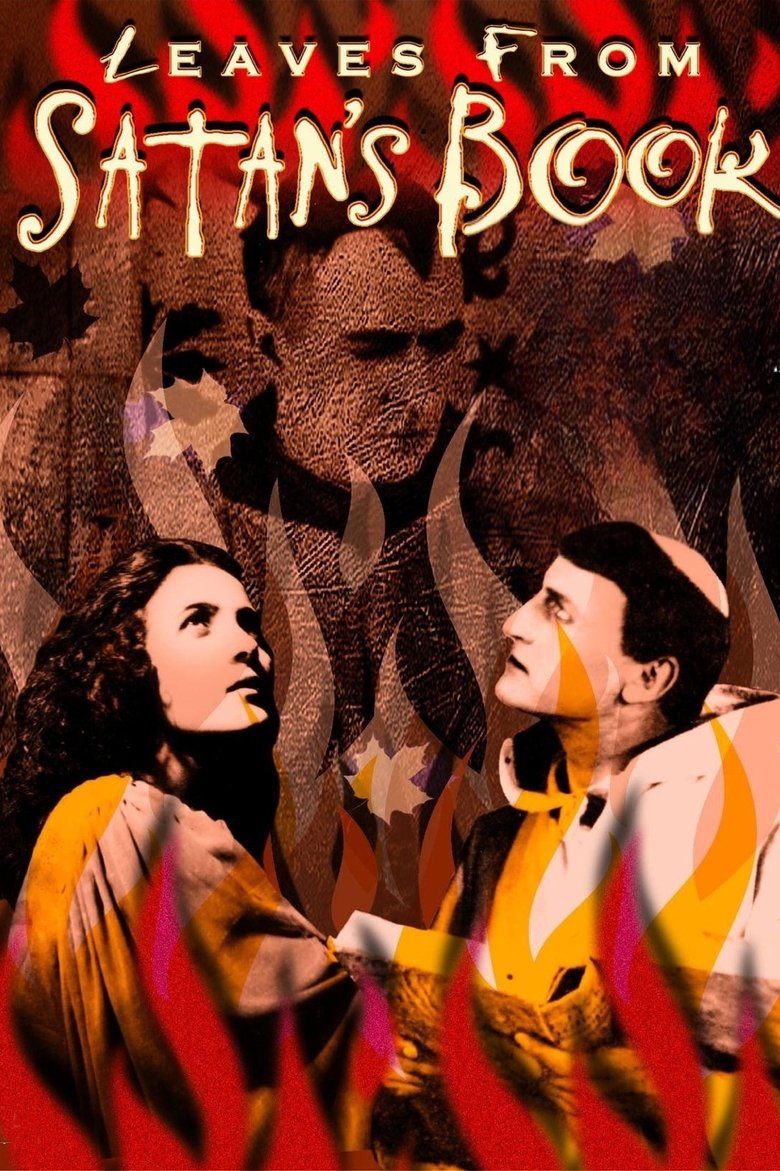
Leaves from Satan's Book
1920
TV-14Director
Carl Theodor Dreyer
Runtime
157 minutes
Average Rating
No ratings yetSynopsis
The power of Satan is highlighted in four historical tales: the betrayal and subsequent arrest of Jesus, the Spanish Inquisition, the French Revolution and the execution of Marie Antoinette, and the Finnish War of Independence in 1918.
Where to Watch
Diversity & Representation
Overall Score
Minimal
Category Breakdown
LGBTQ+ Representation
The film contains no depictions of non-cisnormative identities or same-sex intimacy. The narrative remains strictly within the heteronormative structures of the historical periods shown.
Gender Representation
Women carry significant emotional weight, particularly through Marie Antoinette and domestic vignettes. However, their agency is limited by the patriarchal social and political structures of the era.
Racial & Ethnic Diversity
The anthology focuses on homogeneous European settings like Denmark, France, and Spain. Consequently, the film lacks intentional racial diversity and maintains a Eurocentric lens.
Religious & Cultural Diversity
The story is rooted in Western institutions like organized religion and monarchy. These frameworks serve as the primary tools for exploring themes of sin, guilt, and divine consequence.
Disability Representation
There is no evidence of characters with physical or invisible disabilities serving as central figures. The film does not engage with neurodivergence or disability.
Strengths
- Provides significant emotional depth through central female figures like Marie Antoinette.
- Uses historical settings to create a profound study of human moral crisis.
Areas for Improvement
- Lacks representation of LGBTQ+ identities or non-cisnormative gender expressions.
- Maintains a Eurocentric lens with minimal racial or ethnic diversity.
- Does not engage with disability or neurodivergence as narrative elements.
AI Analysis
Dreyer’s anthology explores human fallibility through historical vignettes, but it does so within a strictly traditionalist framework. The film reinforces existing social and religious hierarchies rather than challenging them. The narrative focuses on the consequences of sin and the weight of state authority. While the historical settings provide dramatic depth, they lack intersectional perspectives or modern social critiques. Ultimately, the work reflects the demographic and moral constraints of the early 20th century, prioritizing established religious and monarchical structures over diverse representation.
Rate this Movie
Reviews
No reviews yet. Be the first to share your thoughts on this movie!
Use the rating form above to leave a star rating and optional review.