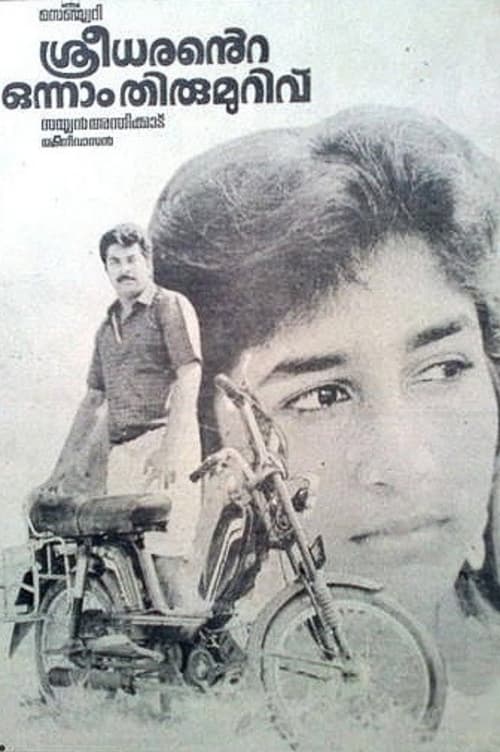
Sreedharante Onnam Thirumurivu
1987
No user ratings available yet
Representation score: 1.3 out of 10

Representation Score
Minimal
2010
Not RatedDirector
M. Rajesh
Runtime
160 minutes
Average Rating
No ratings yetNew Showbiz Analysis
Boss Engira Baskaran is a typical commercial entertainer that prioritizes escapist comedy and traditional romantic clichés. The narrative structure follows established genre conventions, focusing on the protagonist's pursuit of a romantic interest through various antics. The film adheres to a traditional framework that reinforces the social and gendered status quo of its era. It does not aim to disrupt social hierarchies or explore multiple layers of identity, choosing instead to maintain regional authenticity and familiar comedic tension. Ultimately, the creative direction emphasizes comedic timing over the exploration of complex social frameworks, resulting in a production that upholds conventional norms.
Category Breakdown
The film centers on a heterosexual relationship and does not include any non-cisgender identities or critiques of the assumption that everyone is straight or cisgender.
Baskaran drives the plot as the primary agent, while Chandrika occupies a more reactive role. The film reinforces conventional gender roles rather than challenging them.
The cast is predominantly of one cultural background, reflecting a specific Tamil-speaking community. It does not use diverse casting to challenge ethnic norms.
The narrative upholds social and familial norms without critiquing them. Socioeconomic differences are used for slapstick humor.
There are no prominent depictions of physical or neurodivergent disabilities. Characters with disabilities are not central to the narrative.
Present on Screen
Limited or Absent
Official Synopsis
Bhaskaran is in love with a young and beautiful professor, Chandrika. In order to catch her attention and start a successful career, he along with his friend, Nallathambi, get up to various antics leading to hilarious consequences.
1987

2014
2011
2010
2012
2003

2000

2004
No reviews yet. Be the first to share your thoughts on this movie!
Use the rating form above to leave a star rating and optional review.