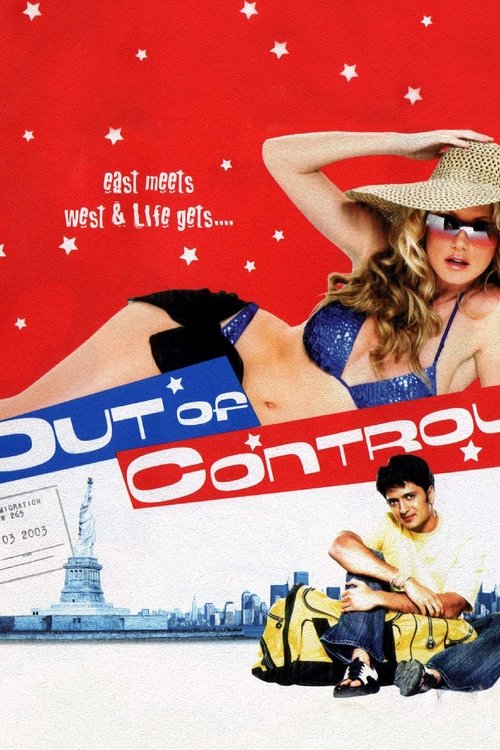
Out of Control
2003
No user ratings available yet
Representation score: 3.4 out of 10

Representation Score
Fair
2004
PG-13Director
Shiraz Jafri
Runtime
90 minutes
Average Rating
No ratings yetNew Showbiz Analysis
Ball and Chain stands out as a culturally specific romantic comedy that highlights South Asian experiences. By focusing on the unique aspects of the diaspora, it breaks away from the typical Anglo-centric themes. The film excels in showcasing individual empowerment against traditional hierarchies. Characters actively resist arranged marriages to pursue their own happiness, critiquing patriarchal control. However, the film remains confined to straight-centered clichés and lacks representation for LGBTQ+ or disabled individuals. It primarily serves as a critique of specific cultural norms rather than a broader exploration of diverse identities.
Category Breakdown
The film follows a conventional heterosexual storyline and does not include any characters with non-binary gender identities or LGBTQ+ orientations.
Saima shows significant involvement in the story by challenging her father's control. However, the plot still adheres to traditional stereotypes about women.
The movie centers around a South Asian cast and storyline, moving away from predominantly white narratives. This allows for non-white characters to take center stage.
The story questions traditional family structures and the pressure of arranged marriages. It emphasizes individual romantic freedom over strict cultural and patriarchal constraints.
The film does not feature any characters with visible or invisible disabilities.
Present on Screen
Limited or Absent
Official Synopsis
Somewhere in the middle of Texas, Ameet (Sunil Malhotra) and Saima (Lisa Ray) have a problem. They were perfectly happy avoiding each other until their parents set them up to get married. The reluctant couple decide to do whatever it takes to break off the engagement. After some very embarrassing efforts, they finally succeed in getting their parents to call off the wedding, only to realize they have another problem, they're in love! Meanwhile, Saima's father (Asrani), deciding that she's passed her expiration date, promises her to Ashol (Ismail Bashey)- a sleazy playboy.
2003

2003

2011

2011

2003

2023

2006

1998
No reviews yet. Be the first to share your thoughts on this movie!
Use the rating form above to leave a star rating and optional review.