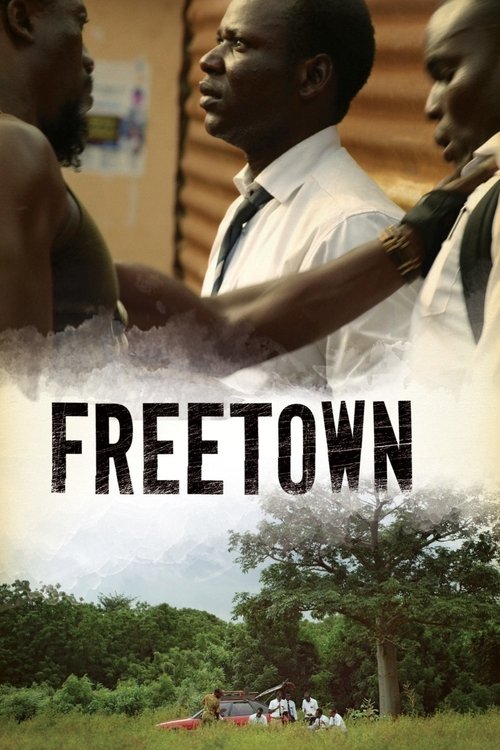
Freetown
2015
No user ratings available yet
Diversity score: 4.6 out of 10

2014
Director
Sherif Arafa
Runtime
158 minutes
Average Rating
No ratings yetSynopsis
Following the events of the first part, Mansour Al-Hefni escapes from prison and reunites with his son Ali and brother to return to the island to recover what they have lost. Mansour must stand against his old love Karima while the leader of the travelers tribe Sheikh Jaafar enters the conflict for rulership
Overall Score
Fair
Category Breakdown
LGBTQ+ Representation
The story focuses on traditional familial bonds and romantic conflicts. There is no evidence of non-cisnormative identities or the disruption of heteronormative structures.
Gender Representation
The narrative centers on a male-driven arc of escape and reclamation. While Karima acts as a significant antagonist, the power dynamics suggest a traditional patriarchal structure.
Racial & Ethnic Diversity
The film challenges Western-centric norms by centering an Egyptian narrative. It explores regional identity and tribal politics through a non-Anglo-Saxon perspective on authority.
Religious & Cultural Diversity
The film prioritizes regional tribalism and localized justice over Western institutional norms. It explores the complexities of tribal law and subjective morality through its central conflicts.
Disability Representation
There is no mention of characters navigating physical or neurodivergent disabilities within the narrative.
Strengths
Areas for Improvement
AI Analysis
The Island 2 offers a compelling departure from Western-centric storytelling by centering Egyptian regional identity and tribal politics. By focusing on localized power struggles and the 'travelers tribe,' the film provides a necessary non-Western perspective on authority and conflict. However, the film remains anchored in traditional social structures. The narrative architecture relies heavily on conventional kinship-based tropes and patriarchal power dynamics, which limits its exploration of diverse gender roles and identities. Ultimately, the film's value lies in its cultural specificity. It succeeds in diversifying the cinematic landscape by prioritizing regional honor and tribal law over globalized institutional norms.
2015
2014

2015
2002
2002

2009
No reviews yet. Be the first to share your thoughts on this movie!
Use the rating form above to leave a star rating and optional review.