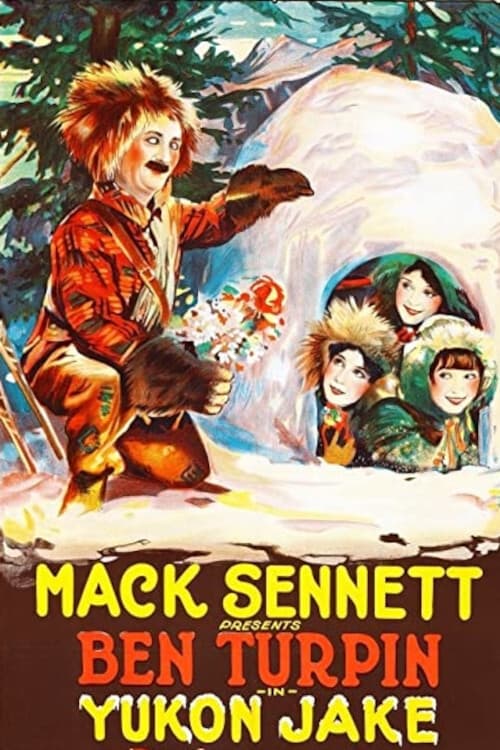
Yukon Jake
1924
No user ratings available yet
Representation score: 0.5 out of 10

Representation Score
Minimal
1940
NRDirector
Sam Newfield
Runtime
52 minutes
Average Rating
No ratings yetNew Showbiz Analysis
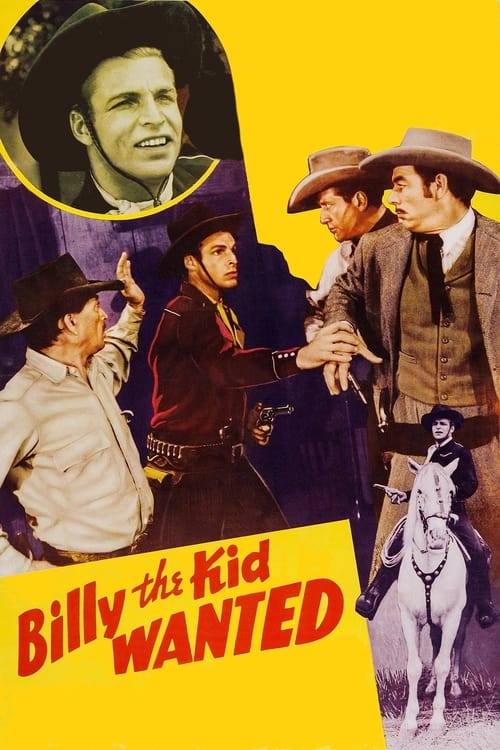
Billy the Kid in Texas is a traditional 1940s B-movie Western that emphasizes genre clichés over social complexity. The narrative relies on homogeneous archetypes and reinforces the era's social hierarchies. The film does not intentionally address multiple aspects of identity. It functions as a conventional genre piece where the plot is driven by male characters and traditional Western moralities. Overall, the production maintains the status quo of its time, offering little deviation from the era's standard narrative structures.
Category Breakdown
The film adheres to an assumption that everyone is straight and cisgender. There are no representations of LGBTQ+ identities or non-assuming gender matches what was assigned at birth characters.
Action and law enforcement roles are filled exclusively by men. Female characters play supporting roles, providing care and assistance to the male protagonists.
The cast is mainly composed of white actors, emphasizing Anglo-American stereotypes. The Mexican setting is used as a backdrop without exploring diverse identities.
The story upholds mid-century Western moral values, validating the establishment of law and order as a stabilizing force for society.
Disabilities are not represented with significant roles. The protagonist's minor injury serves merely as a typical plot device.
Present on Screen
Limited or Absent
Official Synopsis
In the second of the "Billy the Kid" series from PRC that starred Bob Steele, Billy the Kid is being held on a trumped-up murder charge in a Mexico jail. He escapes and meets his pal, Fuzzy Jones, in Corral City, Texas, which is taking a holiday to allow the cowpunchers of the Lazy A Ranch their periodic spree. In the saloon, Billy is recognized by Dave Hendricks and Flash, two the Lazy A's bed men, as the rider who had held them up after they had robbed the express wagon a few hours earlier. Outside, Billy is ambushed and slightly wounded, and is taken to the express office by Jim Morgan where Mary Barton, the local agent, agrees to tend him until the doctor arrives. Billy turns over the loot he took from the outlaws and he is appointed sheriff, with Fuzzy as his deputy. The Lazy A gang brings in a noted gunfighter, Gil Cooper, who turns out to be Billy's brother. Billy, Gil and Fuzzy eventually rout the outlaw gang, and Gil remains behind with Mary as Billy and Fuzzy ride off.
1924
1947
1941
1940
1943
1956
1945
1941
No reviews yet. Be the first to share your thoughts on this movie!
Use the rating form above to leave a star rating and optional review.