River
2023
No user ratings available yet
Representation score: 4.8 out of 10
Representation Score
Fair
2013
Director
Yasuhiro Yoshida
Runtime
90 minutes
Average Rating
No ratings yetNew Showbiz Analysis
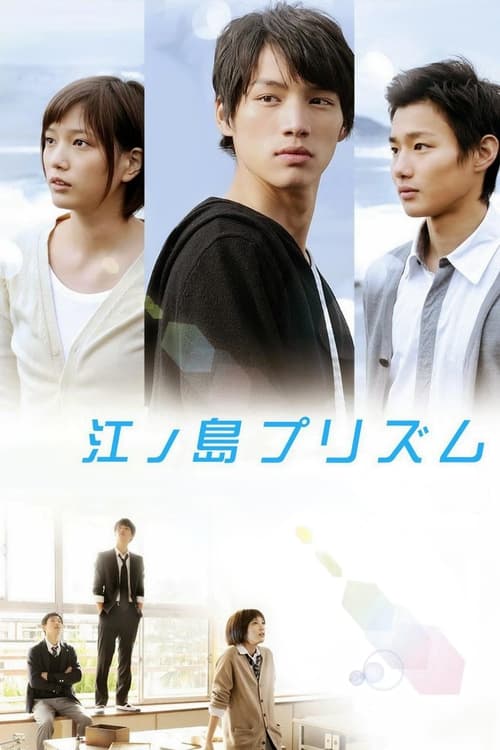
Enoshima Prism is a character-driven drama that emphasizes traditional emotional storytelling. The narrative centers on the bond between three childhood friends affected by a tragic event. While the film maintains a balanced gender distribution, it lacks significant depth in representing diverse identities and cultures. The story adheres to conventional emotional frameworks without challenging established social hierarchies. Ultimately, it focuses on grief and interpersonal connections, avoiding progressive themes or the empowerment of underrepresented identities.
Category Breakdown
The film focuses on platonic childhood bonds and the grief after a loss, without showing any non-traditional gender identities or same-sex relationships.
The cast includes an equal number of male and female characters, but the story doesn't challenge traditional gender roles or hierarchies.
The film features a predominantly East Asian cast, reflecting the cultural context of Japan, but does not blend diverse ethnic identities.
The story explores themes of grief, friendship, and mortality within a standard emotional framework, without addressing specific political or secular themes.
A heart attack serves as a plot catalyst, introducing physical vulnerability, but the film does not delve into the experiences of characters with disabilities.
Present on Screen
Limited or Absent
Official Synopsis
Shuta, Saku and Michiru have been best friends since they were kids. Tragedy strikes the friends when during the winter of 2010, Saku dies from a heart attack. After Saku's death, Shuta and Michiru become more distant.
2023
2013
2018

2004
2011

2006

2021

2009
No reviews yet. Be the first to share your thoughts on this movie!
Use the rating form above to leave a star rating and optional review.