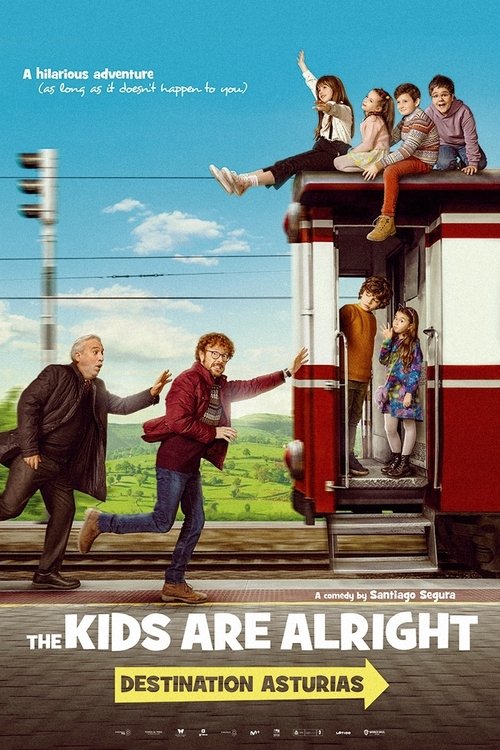
The Kids Are Alright: Destination Asturias
2021
No user ratings available yet
Representation score: 3.0 out of 10
Representation Score
Fair
2022
Director
Inés de León
Runtime
84 minutes
Average Rating
No ratings yetNew Showbiz Analysis
The film shifts focus from male caregivers to female-led dynamics, prioritizing female competence and ability to act in a genre often dominated by male archetypes. This transition moves toward modern social dynamics through female solidarity. While the film successfully disrupts gendered expectations of childcare, it lacks explicit LGBTQ+ or disability representation. Additionally, it does not deeply critique systemic issues related to ethnicity or cultural norms.
Category Breakdown
The film does not include explicit representations of LGBTQ+ identities or relationships. The focus is on the friendship between Clara and Susana, without any clear queer subtext.
The sequel challenges traditional gender hierarchies by emphasizing women's ability to drive the story. Clara and Susana take charge of responsibilities previously held by men, subverting the 'bumbling father' stereotype.
As a Spanish-language production, the film moves away from Anglo-centric norms. However, there is no specific evidence showing a blend of different ethnic backgrounds or the subversion of ethnic stereotypes.
The story deconstructs traditional parental roles by highlighting female solidarity. It challenges the idealized depiction of stable parenting through situational social dynamics.
There is no evidence of characters with visible or invisible disabilities in the narrative.
Present on Screen
Limited or Absent
Official Synopsis
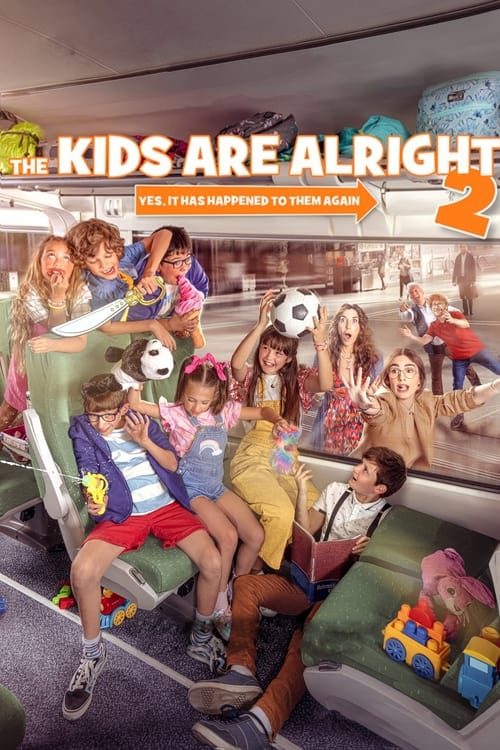
A year ago, Ricardo and Felipe, in charge of taking the children to a camp, stayed outside the train leaving the children inside. Clara no longer trusts them and this year she decides to take the children personally with the help of her friend Susana. However, now they will be the ones who, as a result of an accident, are separated from the children.
2021

2006

2021
2023

2023

2023

2017

2017
No reviews yet. Be the first to share your thoughts on this movie!
Use the rating form above to leave a star rating and optional review.