
Mapplethorpe
2019
No user ratings available yet
Representation score: 9.4 out of 10
Representation Score
Excellent
2000
UnratedDirector
Rosa von Praunheim
Runtime
100 minutes
Average Rating
No ratings yetNew Showbiz Analysis
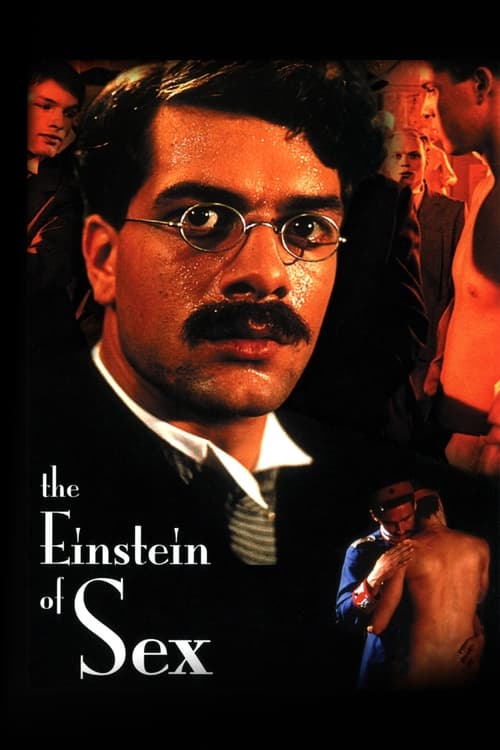
Rosa von Praunheim offers a crucial retelling of suppressed history. By focusing on the origins of queer theory, the film portrays underrepresented identities as key figures in social progress rather than passive victims. The film excels at challenging traditional gender roles and documenting the fight against anti-gay laws. It provides a foundational look at queer activism through Hirschfeld's scientific work. While the focus is primarily on sexuality and German identity, the inclusion of Hirschfeld's Jewish heritage adds important layers of vulnerability and the way different parts of someone's identity overlap.
Category Breakdown
The film focuses on the lives and scientific advocacy of LGBTQ individuals. It explores non-traditional gender identities and the struggle for acceptance against a society that assumes everyone is straight or cisgender.
The story challenges traditional gender roles by examining theories about intermediate stages of sex. It highlights the subversion of conventional masculinity and femininity through various identities.
The narrative centers on Magnus Hirschfeld, a German Jewish doctor. This focus adds a critical layer of vulnerability due to his Jewish heritage as the story progresses towards the rise of the Third Reich.
The film critiques oppressive Western institutions and emphasizes a secular, scientific perspective. It presents the persecution of Hirschfeld's work as a clash between humanism and reactionary power structures.
Representation of disability is integrated into the broader exploration of human variation. It does not serve as a primary driver of ability to act within the narrative.
Present on Screen
Limited or Absent
Official Synopsis
The life story of Dr. Magnus Hirschfeld, a German Jew, who as a physician established the field of sexology, and fought militantly against German anti-sodomy laws in the late 19th century. The script reveals main characters in Hirschfeld's life including impossible love interest Baron von Teschenberg, and Hirschfeld's aids- young Karl Giese and guardian angel, the transvestite Dorchen, as they establish the First Institute of Sexual Sciences in Berlin in 1920, and follows their struggles to keep it open, up to the rise of the Third Reich in the mid 1930s.
2019

2019

2016

1997
2012

1984

1992

2021
No reviews yet. Be the first to share your thoughts on this movie!
Use the rating form above to leave a star rating and optional review.