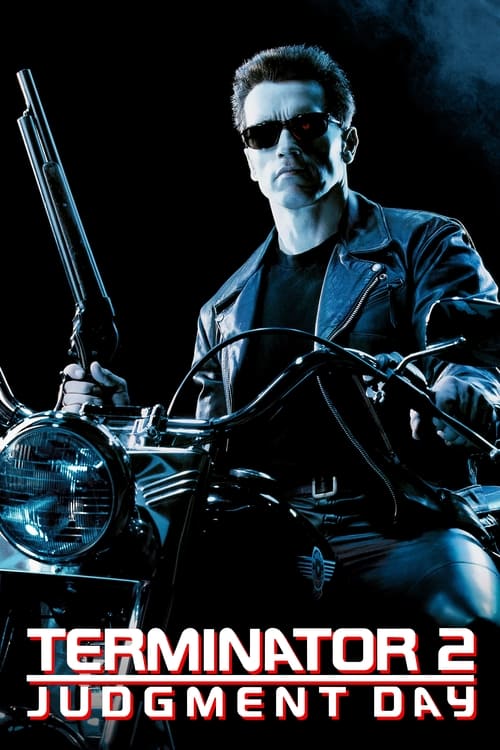
Terminator 2: Judgment Day
1991
No user ratings available yet
Representation score: 6.0 out of 10

Representation Score
Fair
1984
RDirector
James Cameron
Runtime
108 minutes
Average Rating
No ratings yetNew Showbiz Analysis
This foundational science fiction film emphasizes technological existential threats over social issues related to identity. It operates within the traditional framework of its time, focusing on a survivalist struggle against an external machine threat. While the movie showcases Sarah Connor's powerful journey from passivity to a central survivor, it falls short in representing diverse identities and experiences. The narrative lacks engagement with racial, LGBTQ+, and disability-related themes. Ultimately, the film's impact stems from its high-concept genre storytelling rather than exploring social identity politics or diverse human experiences.
Category Breakdown
The story strictly assumes everyone is straight and cisgender, with no LGBTQ+ characters or non-binary gender identities represented.
Sarah Connor transforms from a passive waitress to a key figure in the fight for survival. However, the film fails the Bechdel test because women do not have substantial conversations about topics unrelated to men.
Casting is predominantly white, reflecting the 1980s Los Angeles film industry. There is a noticeable lack of non-white characters with significant roles.
The film highlights the dangers of unchecked industrial progress and centralized technological power. It centers on surviving an external machine threat rather than critiquing systemic issues.
The film does not include characters with disabilities, either visible or invisible, who are given significant roles.
Present on Screen
Limited or Absent
Official Synopsis
In the post-apocalyptic future, reigning tyrannical supercomputers teleport a cyborg assassin known as the "Terminator" back to 1984 to kill Sarah Connor, whose unborn son is destined to lead insurgents against 21st century mechanical hegemony. Meanwhile, the human-resistance movement dispatches a lone warrior to safeguard Sarah. Can he stop the virtually indestructible killing machine?
1991
1974
2003
1989
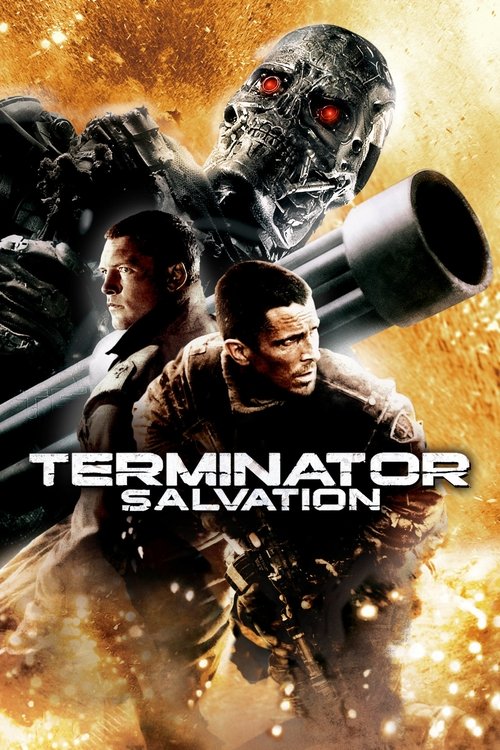
2009
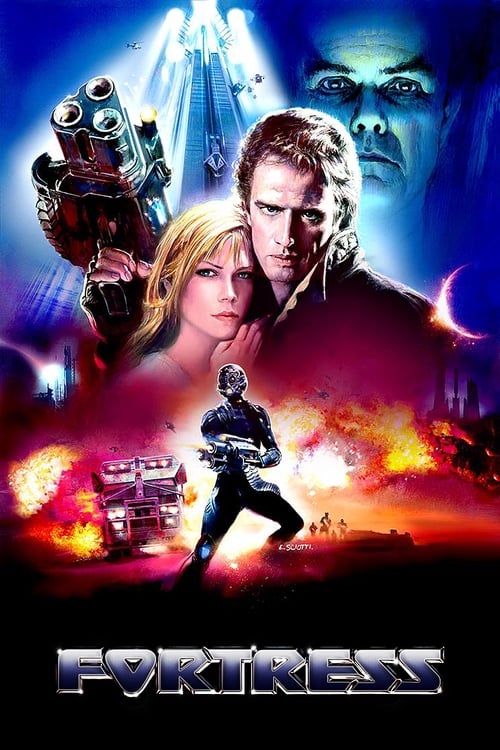
1992
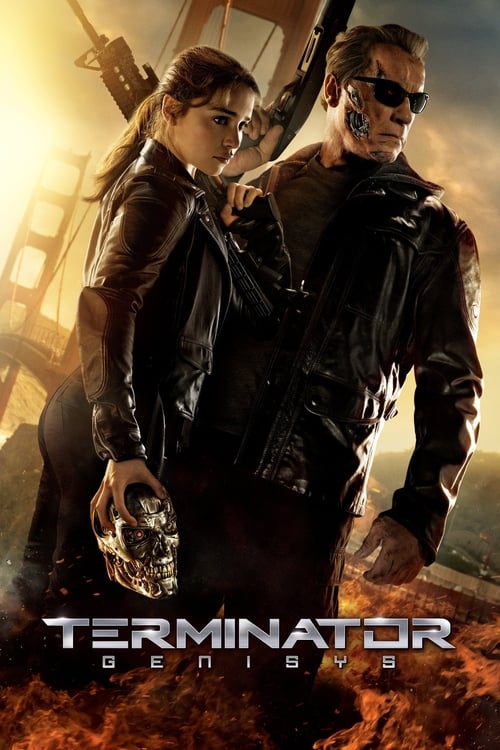
2015
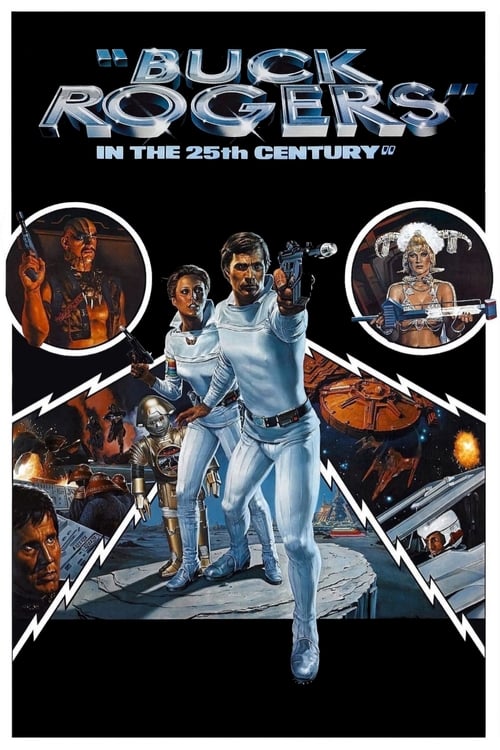
1979
No reviews yet. Be the first to share your thoughts on this movie!
Use the rating form above to leave a star rating and optional review.