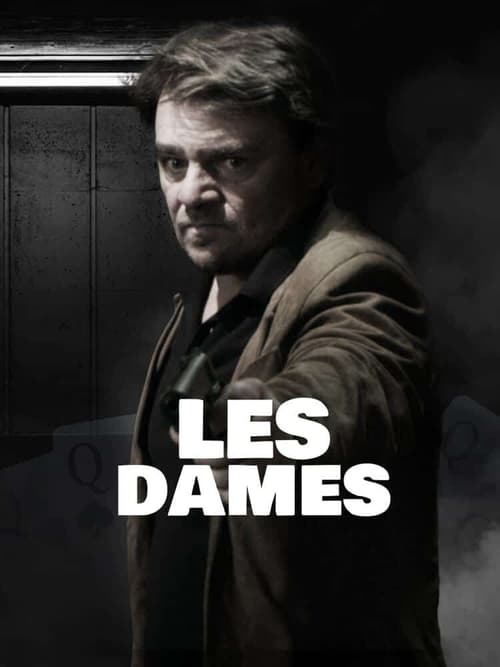
Dame de cœur
2011
No user ratings available yet
Representation score: 7.5 out of 10
Representation Score
Minimal
2009
Director
Esther Gronenborn
Runtime
87 minutes
Average Rating
No ratings yetNew Showbiz Analysis
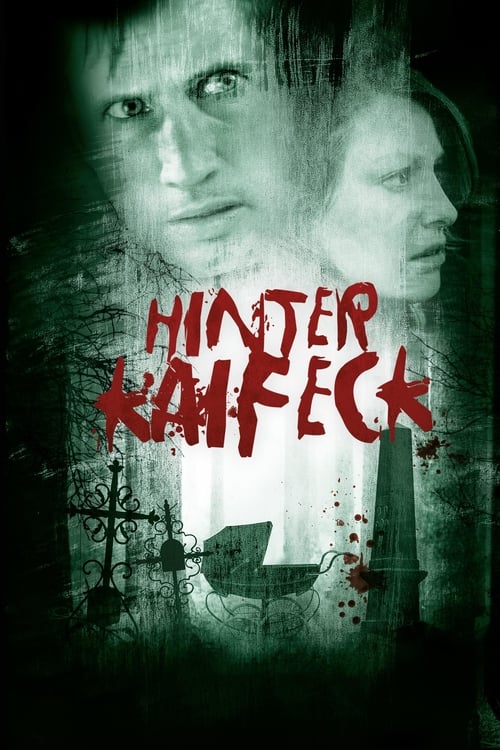
Hinter Kaifeck serves as a historical reconstruction of a localized tragedy in 1920s Bavaria. The film prioritizes creating an atmosphere of tension and the breakdown of communal security over contemporary social commentary or identity-focused narratives. The production adheres strictly to the social norms of its period. It favors historical accuracy and traditional archetypes over introducing diverse perspectives or challenging conventional social hierarchies. Ultimately, the film's lack of diversity is a result of its commitment to historical realism. It avoids modern progressive themes to maintain a focus on the isolation and domestic vulnerability of rural agricultural life.
Category Breakdown
The film does not include any LGBTQ+ characters or non-straight relationships. It stays within the traditional social structures of early 20th-century rural Germany.
The film portrays traditional gender roles of the 1920s. Female characters play key roles in the domestic drama but have limited control due to the era's social norms.
The cast reflects the ethnic makeup of 1920s Bavaria, avoiding anachronistic casting but not using non-white characters to challenge historical norms.
The film depicts traditional rural life in Western Europe. It focuses on the collapse of a family unit and communal tragedy without critiquing systemic institutions.
The film does not feature any characters with visible or invisible disabilities. It centers on psychological trauma caused by external violence.
Present on Screen
Limited or Absent
2011
2010
2016
2011
2020

2024
2012
2018
No reviews yet. Be the first to share your thoughts on this movie!
Use the rating form above to leave a star rating and optional review.