Sex with the Stars
1981
No user ratings available yet
Representation score: 2.3 out of 10
Representation Score
Limited
1977
XDirector
Colin Eggleston
Runtime
99 minutes
Average Rating
No ratings yetNew Showbiz Analysis
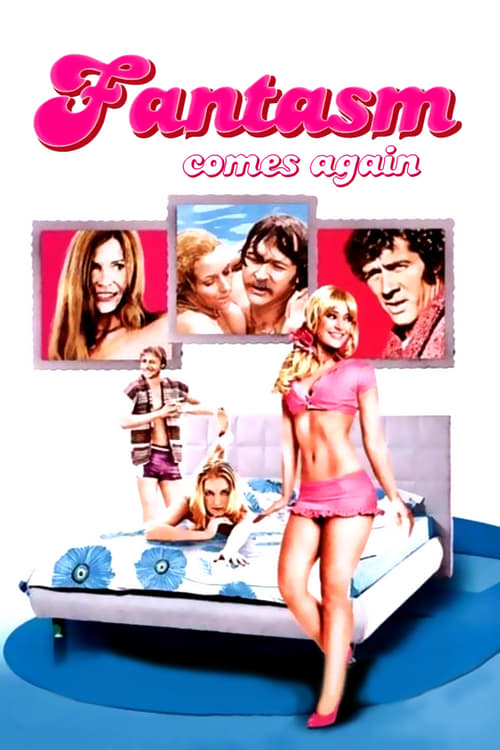
Fantasm Comes Again is a genre-specific comedy that explores sexual liberation within a conventional social framework. It challenges mid-century taboos by focusing on sexual discourse and situational ethics rather than rigid religious morality. However, the film lacks multi-layered complexity. While it moves away from strict straight-centered constraints through its subject matter, it fails to provide diverse casting and systemic narrative deconstruction. The representation remains tied to traditional power dynamics and lacks meaningful engagement with racial or disability-related identities.
Category Breakdown
The film includes scenes with non-traditional sexual dynamics, such as threesomes, but does not explicitly confirm queer identities or non-binary gender expressions.
Libbie, a columnist, holds professional power, but the film relies on traditional gender power imbalances. A scene shows a male librarian using his position to gain an advantage over women.
The story does not feature any characters from diverse racial or ethnic backgrounds. There is no mention of a non-white cast or diverse ethnic groups.
The film focuses on secular sexual advice, prioritizing human impulses over institutional religious morality. It does not explore deeper systemic critiques or anti-capitalist themes.
The film does not include any characters with physical or cognitive disabilities. It also does not address neurodivergence or impairment.
Present on Screen
Limited or Absent
Official Synopsis
Libbie is assigned to her paper's sexual advice column, "Dear Collete". She is taking over the job of Harry a crusty old journalist who shows her the pro's and cons of the job while running on a tight deadline to get the column finished for the morning's paper. During the course of the evening they reply to a wide variety of sexual experiences submitted by the readers, some these include, sex in a threesome at a drive-in theatre, sex in a gymnasium, and sex in a library where the "Silence Please" sign gives the male librarian an advantage over the female readers.
1981
1969
1976

1972
1975
1983
1975

2011
No reviews yet. Be the first to share your thoughts on this movie!
Use the rating form above to leave a star rating and optional review.