undertone
2026
No user ratings available yet
Diversity score: 5.8 out of 10
2023
Director
Owen Knight
Runtime
5 minutes
Average Rating
No ratings yetSynopsis
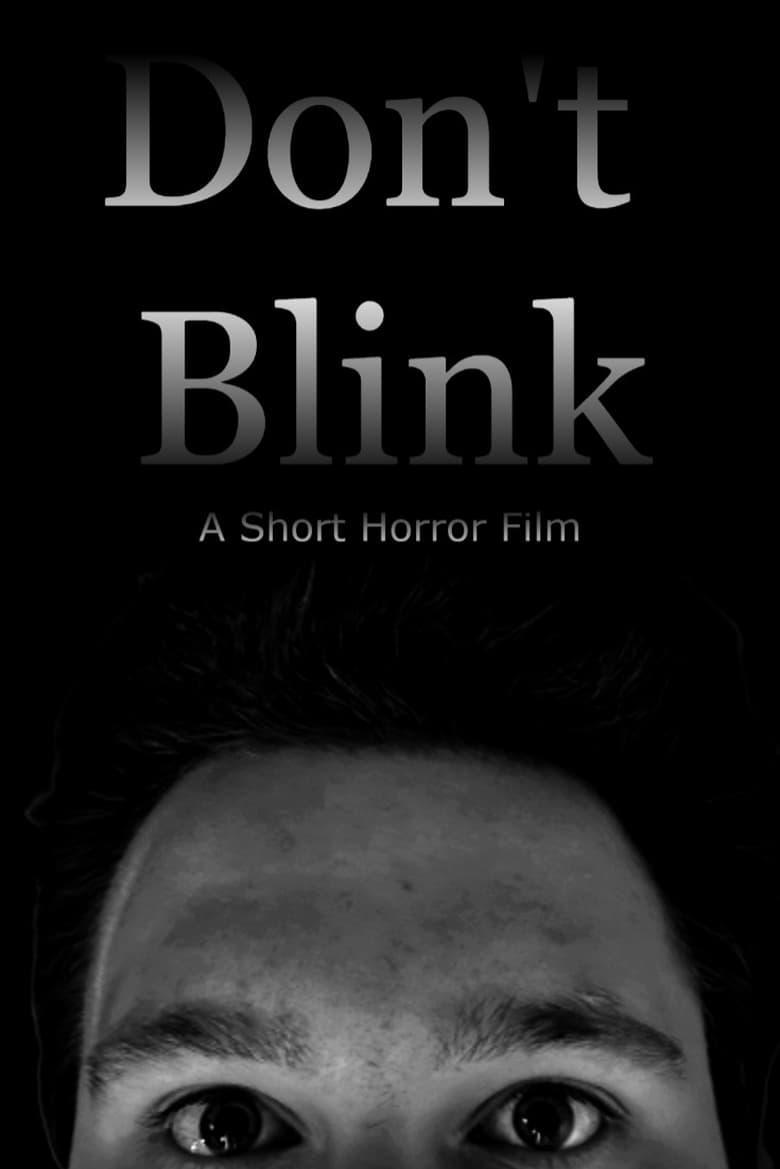
A young man talks to his psychiatrist about strange visions he has been having in his dreams.
Overall Score
Fair
Category Breakdown
LGBTQ+ Representation
The film lacks explicit details regarding the sexual orientation or gender identity of its characters. While the psychological mystery genre often explores non-normative identities, there is no visible evidence of queer intimacy or identity-driven narratives.
Gender Representation
The narrative centers on a male protagonist and a psychiatrist, though the professional's gender remains unconfirmed. The focus on emotional vulnerability shifts power dynamics toward intellectual exchange rather than physical dominance.
Racial & Ethnic Diversity
Cast members Liam Cowan Makrisopoulos and Alexander Kyriacou suggest a potentially diverse Mediterranean or international profile. However, the film's specific approach to racial intersectionality cannot be verified without further visual context.
Religious & Cultural Diversity
By centering on the instability of the mind and strange visions, the film may challenge traditional Western rationalism. It explores subjective morality through the lens of psychiatric discourse and perceived reality.
Disability Representation
The premise uses visions as a vehicle to explore neurodivergence and mental health. This setup offers potential for meaningful representation if the protagonist's condition is treated as a component of his agency.
Strengths
Areas for Improvement
AI Analysis
Don't Blink functions as a character-driven psychological horror that prioritizes internal mental states over external hierarchies. The core interaction between a patient and a psychiatrist provides a framework for exploring the fluidity of truth and mental agency. While the film lacks overt intersectional markers or explicit systemic subversion, it utilizes its genre to disrupt conventional perceptions of reality. The narrative architecture focuses on individual subjectivity and the complexities of the human psyche. Ultimately, the film occupies a neutral space regarding diversity. It presents a baseline of representation that relies on the potential for psychological depth rather than explicit social or cultural commentary.
2026

2025
2014
2001
2023

2020
2020
2022

2025
2019

2016

2015
No reviews yet. Be the first to share your thoughts on this movie!
Use the rating form above to leave a star rating and optional review.