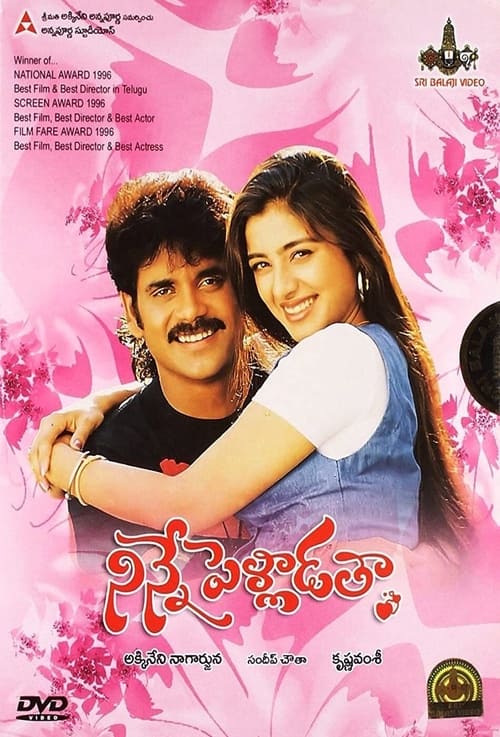
Ninne Pelladatha
1996
No user ratings available yet
Diversity score: 3.1 out of 10
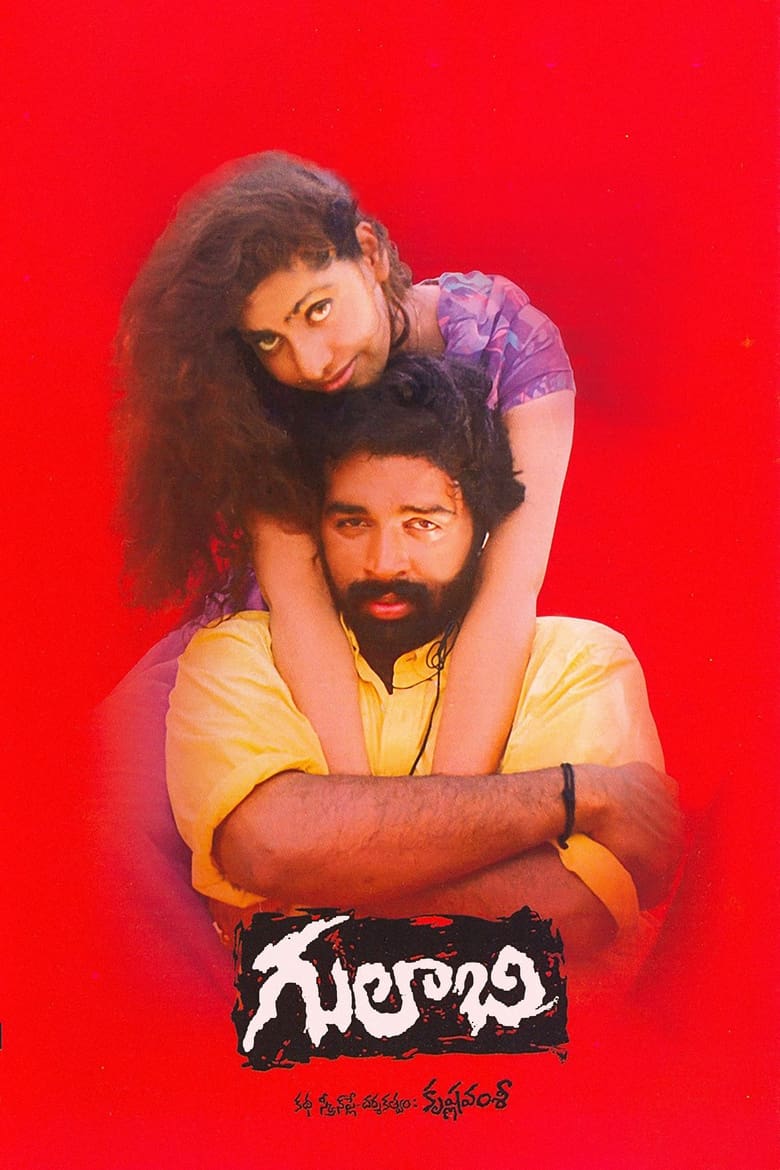
1995
Director
Pasupuleti Krishna Vamsi
Runtime
138 minutes
Average Rating
No ratings yetSynopsis
Chandu's heart skips a beat when he finally meets Pooja, the captivating woman who's been calling him anonymously. Their connection is undeniable, but their whirlwind romance is met with disapproval from Pooja's father. Determined to be together, they make a daring plan to elope. However, on the day they're supposed to flee, Chandu finds himself waiting in vain – Pooja is nowhere to be found.
Overall Score
Limited
Category Breakdown
LGBTQ+ Representation
The film follows a conventional heteronormative romantic trajectory. There is no evidence of non-cisnormative gender identities or same-sex intimacy within the plot.
Gender Representation
Pooja serves as the emotional core, yet her agency is largely defined by her response to patriarchal opposition. The narrative prioritizes her emotional journey within traditional familial constraints.
Racial & Ethnic Diversity
The film features a culturally homogeneous South Indian cast consistent with its regional setting. It provides authentic ethnic representation without utilizing intersectional racial blending.
Religious & Cultural Diversity
The story reinforces traditional social structures and the weight of parental authority. Conflict arises from the tension between romantic idealism and the preservation of familial honor.
Disability Representation
There are no visible or invisible disabilities depicted as central to the character arcs or plot progression.
Strengths
Areas for Improvement
AI Analysis
Gulabi is a quintessential 1990s romantic melodrama that prioritizes emotional depth over social disruption. While it centers on a female protagonist's experience, it does so within a framework that upholds traditional gender and familial hierarchies. The film is culturally authentic to its South Indian roots, providing a homogeneous cast that reflects its specific linguistic and social environment. However, it lacks diversity in terms of LGBTQ+ representation and does not challenge the status quo. Ultimately, the film functions as a traditionalist narrative where individual desire must navigate established social institutions and parental authority.
No reviews yet. Be the first to share your thoughts on this movie!
Use the rating form above to leave a star rating and optional review.