Respect
2021
No user ratings available yet
Representation score: 9.4 out of 10
Representation Score
Good
2011
PGDirector
Charles Randolph-Wright
Runtime
100 minutes
Average Rating
No ratings yetNew Showbiz Analysis
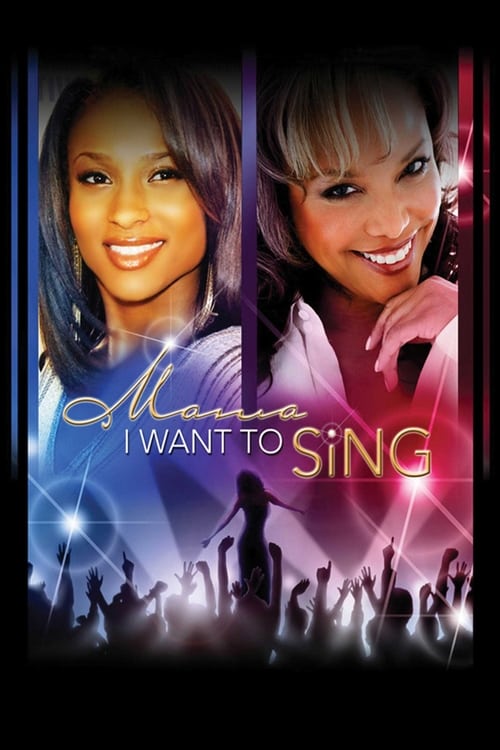
Mama, I Want to Sing! is a powerful celebration of Black excellence and professional autonomy. By centering the 1960s music industry through a Black lens, the film avoids the white-centric perspectives common in mainstream biopics. The protagonist provides a strong model of female control over her destiny, navigating industry hierarchies with intellect and command. This challenges typical clichés of female performers being treated as mere objects. However, the film remains tied to conventional narrative structures. It lacks diversity in LGBTQ+ representation and relies on traditional religious and social frameworks without offering critical insights.
Category Breakdown
The film focuses on the professional journey of its subject, lacking significant representation of non-straight identities or narratives that question the assumption that everyone is straight.
The story centers around a female protagonist who plays a significant role in driving the narrative. She commands authority and navigates a male-dominated industry rather than being a passive figure.
The film excels by featuring an almost entirely Black cast. It centers the Black experience within the 1960s music industry, going beyond including someone from a minority group without giving them real depth into meaningful storytelling.
Religious institutions such as church choirs serve as a foundational cultural backdrop. The film follows a standard rise-to-fame arc without adopting an anti-Western or anti-capitalist stance.
There is no prominent depiction of visible or invisible disabilities. Characters function within able-bodied norms to facilitate the musical performance narrative.
Present on Screen
Limited or Absent
Official Synopsis
Preacher's daughter Amara Winter sings in the church choir before being discovered by a well-established musician. She soon rises to international fame as a pop singer.
2021
2012

2004
2015
2011
2021

2006
2001
No reviews yet. Be the first to share your thoughts on this movie!
Use the rating form above to leave a star rating and optional review.