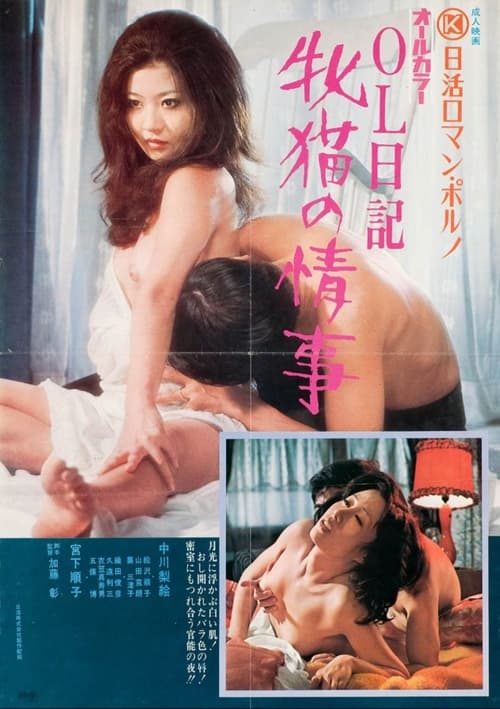
Office Lady Diary: Affair of a She-Cat
1972
No user ratings available yet
Representation score: 3.7 out of 10
Representation Score
Fair
1975
Director
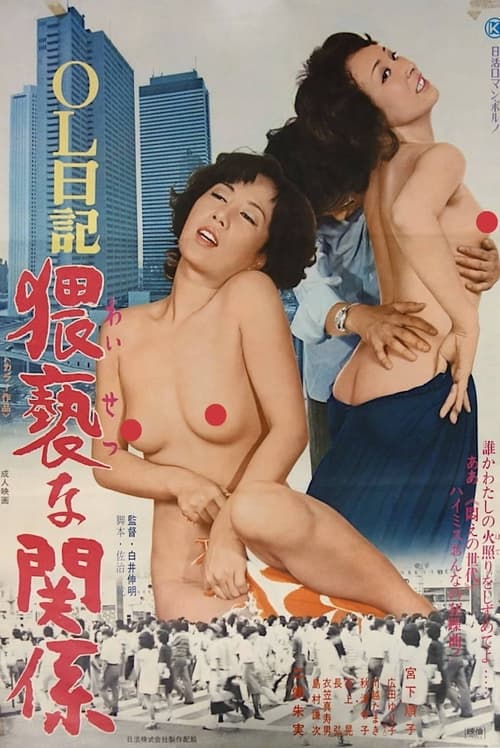
Nobuaki Shirai
Runtime
73 minutes
Average Rating
No ratings yetNew Showbiz Analysis
This film operates within the *pinku eiga* tradition, a genre that historically used softcore eroticism to explore transgressive social themes. While demographically narrow, it functions as a tool for subverting the rigid societal structures of 1970s Japan. The work finds its strength in challenging gendered expectations and institutional decorum. By focusing on the 'Office Lady' archetype, it provides a platform for women's ability to drive the story within a professional setting, even if the broader demographic scope remains limited. Ultimately, the film is a culturally specific piece that prioritizes disrupting social norms over broad demographic representation.
Category Breakdown
The film belongs to a genre that often explores non-straight relationships suppressed by mainstream cinema. While specific depictions of same-sex intimacy are unverified, the focus on transgressive relations suggests a departure from traditional assumptions about sexuality.
The film centers on the 'Office Lady,' suggesting a narrative examining women within corporate hierarchies. These films often allow female characters to exercise a significant role through sexual autonomy, challenging traditional domestic expectations and patriarchal stability.
The production reflects the culturally homogeneous environment typical of 1970s Japanese cinema. There is no evidence of significant racial blending or diverse casting beyond the demographic norms of the era.
The film likely critiques rigid moralism by framing 'indecent relations' as a central theme. This approach prioritizes individual desire over strict conformity required by traditional Japanese institutions.
There is no evidence regarding the portrayal of physical or neurodivergent disabilities in this work.
Present on Screen
Limited or Absent
1972
1977
1991
2003
1982
1985

1980
1983
No reviews yet. Be the first to share your thoughts on this movie!
Use the rating form above to leave a star rating and optional review.