Find another title
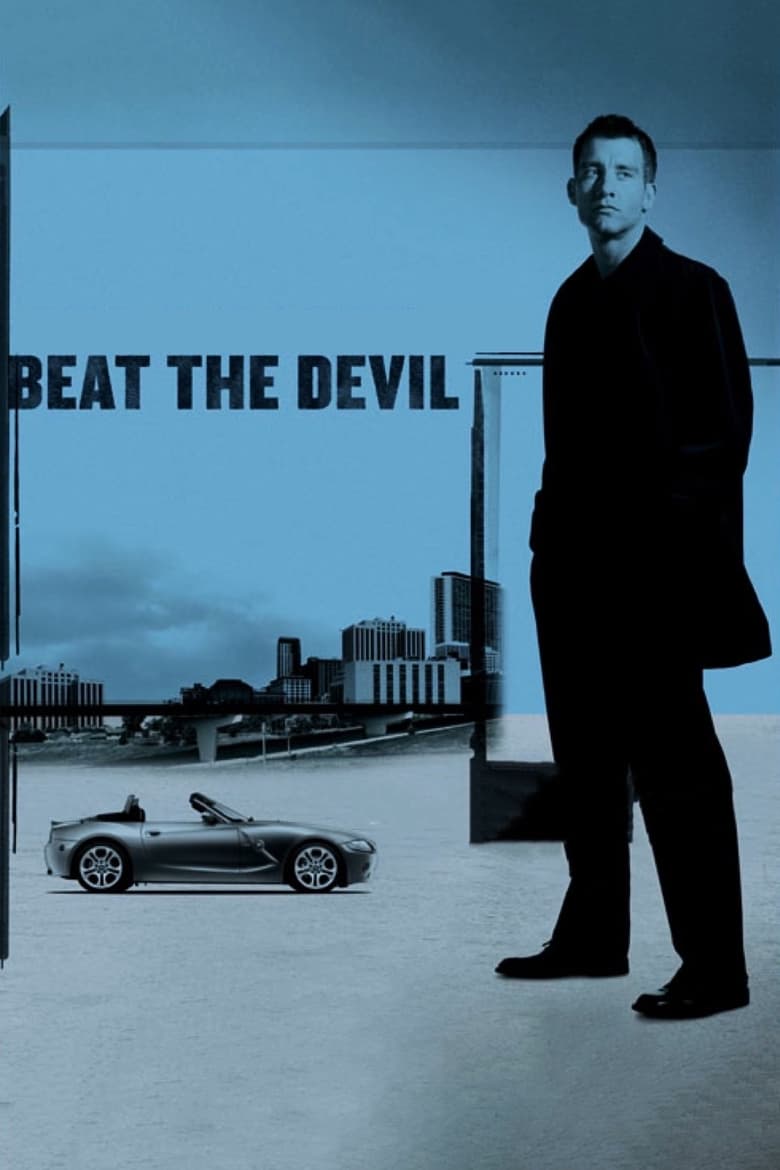
Beat the Devil
2002
Not RatedDirector
Tony Scott
Runtime
10 minutes
Average Rating
No ratings yetSynopsis
The Driver drag-races the Devil, in order to earn James Brown his soul.
Where to Watch
Diversity & Representation
Overall Score
Fair
Category Breakdown
LGBTQ+ Representation
The film operates within a traditional framework regarding gender and orientation. There is an absence of visible LGBTQ+ characters or storylines that critique heteronormativity.
Gender Representation
The narrative engine is driven primarily by male protagonists and patriarchal figures. Female characters exist within the criminal underworld but function mostly within established genre tropes.
Racial & Ethnic Diversity
The film features an Afro-Cuban ensemble alongside a white lead in 1930s Cuba. It explores socioeconomic and post-colonial tensions between American outsiders and the local population.
Religious & Cultural Diversity
The narrative embraces moral relativism and situational ethics rather than strict condemnation. It critiques traditional Western institutions by centering a world where organized crime supersedes legal authority.
Disability Representation
No significant evidence regarding the portrayal of visible or invisible disabilities is present in the narrative.
Strengths
- Meaningful representation through an Afro-Cuban ensemble and a culturally distinct 1930s Cuban setting.
- Exploration of post-colonial tensions and the friction between American outsiders and local populations.
- A nuanced critique of Western institutions through the lens of moral relativism and situational ethics.
Areas for Improvement
- Lack of LGBTQ+ representation or storylines that challenge heteronormative structures.
- Heavy reliance on male protagonists and patriarchal figures to drive the narrative engine.
- Female characters function primarily within established genre tropes rather than demonstrating independent agency.
AI Analysis
Beat the Devil succeeds in moving beyond a monolithic Western perspective by utilizing a culturally distinct Cuban landscape. The film explores the friction between external American interests and local agency, providing a nuanced view of power dynamics. However, the film remains heavily anchored in traditional archetypes. The storytelling relies on male-centric plots and patriarchal authority, which limits the agency of female characters and prevents the subversion of gender hierarchies. Ultimately, the film is a study of shifting power structures. While it lacks diversity in orientation and gender, it offers a complex, postmodern look at the corruption of traditional law and order.
Rate this Movie
Reviews
No reviews yet. Be the first to share your thoughts on this movie!
Use the rating form above to leave a star rating and optional review.