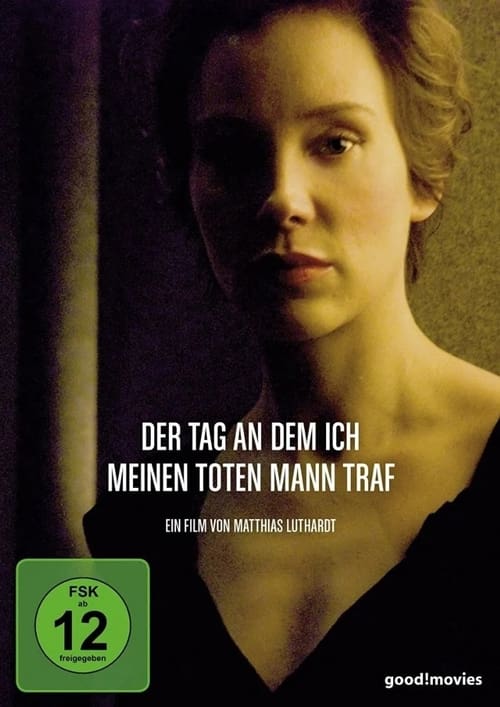
Der Tag, an dem ich meinen toten Mann traf
2008
No user ratings available yet
Representation score: 4.0 out of 10

Representation Score
Fair
2009
Not RatedDirector
Wolfgang Fischer
Runtime
89 minutes
Average Rating
No ratings yetNew Showbiz Analysis
What You Don't See is a conventional psychological drama that prioritizes character studies of grief over systemic social critique. While it moves away from the traditional nuclear family by including a mother's partner, the narrative remains anchored in standard Western dramatic clichés. The film explores the fragility of domestic structures and the complexities of interpersonal reconciliation. However, these themes are explored through a lens that lacks depth in reflecting multiple aspects of identity, focusing more on individual emotional arcs than on broader social hierarchies. Ultimately, the representation present serves the immediate needs of the plot. The film functions as a character-driven study of trauma rather than a progressive exploration of diverse identities or cultural subversion.
Category Breakdown
The film introduces a non-traditional family structure through the mother's boyfriend, Paul. However, there is no evidence of queer identities or a critique of the assumption that everyone is straight or cisgender, as the character serves primarily as a plot device for domestic tension.
Luiza provides central ability to act as she attempts to manage her son's emotional recovery. Despite this, the narrative relies on traditional maternal roles, positioning the woman as the family's emotional mediator without challenging gender hierarchies.
The story appears to focus on a homogeneous social group within a German production context. There is no mention of a multi-ethnic cast or the use of diverse identities to challenge the status quo.
The film deconstructs the 'ideal' family by focusing on the dysfunction following a suicide. While it avoids purely celebratory depictions of domesticity, it lacks explicit engagement with anti-institutional or secular frameworks.
The plot centers on the psychological trauma and grief following a suicide. However, it is unclear if the film offers a nuanced exploration of neurodivergence or lived disability experience beyond using trauma as a plot catalyst.
Present on Screen
Limited or Absent
Official Synopsis
Two strangers have a strong impact on a young man who's spending some time with his family in this drama from Germany. Seventeen-year-old Anton has been struggling to make sense of his life since his father committed suicide when Anton was attending boarding school. Anton's mother, Luiza, wants to mend her strained relationship with her son and introduce him to her boyfriend, Paul, so she arranges for them to take a vacation together.
2008

2010

2017

2007

2006

2006

2021

2015
No reviews yet. Be the first to share your thoughts on this movie!
Use the rating form above to leave a star rating and optional review.