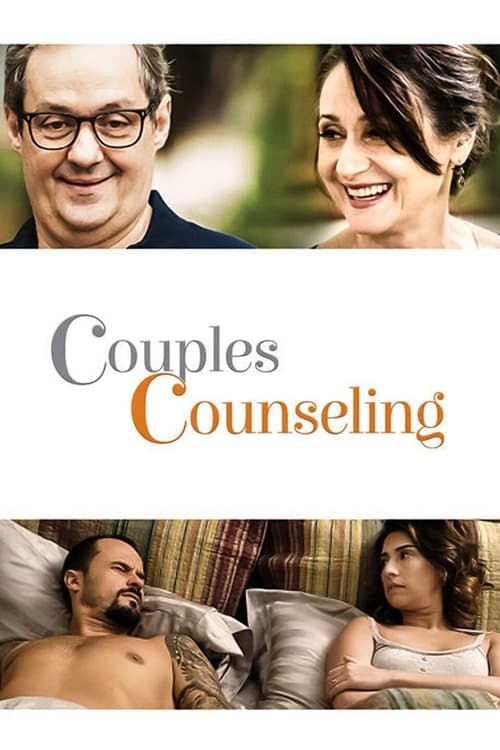
Couples Counseling
2016
No user ratings available yet
Representation score: 5.5 out of 10
Representation Score
Good
2010
NRDirector
Tamara Tunie
Runtime
91 minutes
Average Rating
No ratings yetNew Showbiz Analysis
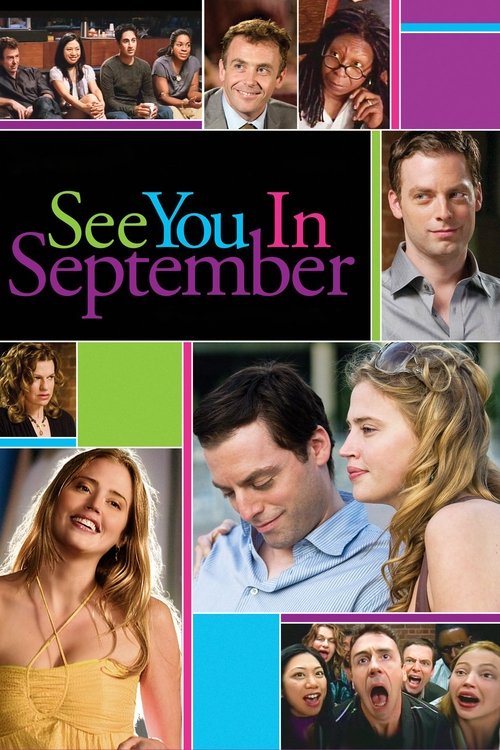
The film stands out by centering female professional ability to act and the subversion of institutional authority. By replacing a professional therapist with a communal support group, the narrative emphasizes peer-based problem-solving and emotional intelligence. While the film excels in portraying psychological vulnerability with dignity, it remains somewhat conventional in its romantic clichés. The lack of explicit LGBTQ+ representation or radical racial narratives prevents a higher diversity score. Ultimately, the work succeeds as a character study that favors non-traditional social hierarchies and communal resilience over rigid, Western professional structures.
Category Breakdown
The film focuses on the romantic connection between Lindsay and A.J. within a support group setting. However, there is little evidence of explicit LGBTQ+ identities or critiques of the assumption that everyone is straight or cisgender.
Lindsay is a successful commercial producer who demonstrates significant leadership and ability to act. She challenges traditional female roles by creating her own support system to manage her psychological needs.
The New York setting supports a multi-ethnic ensemble, including actors like James McDaniel and Whoopi Goldberg. While race is not a central plot conflict, the casting avoids homogeneous norms.
The story critiques professionalized mental health institutions by favoring grassroots, communal support. It prioritizes peer-based morality and situational ethics over traditional, structured medical hierarchies.
Psychological dependency serves as a catalyst for character growth rather than a source of mockery. The narrative integrates mental health struggles into the core identities of the characters.
Present on Screen
Limited or Absent
Official Synopsis
Feeling abandoned by her therapist who's gone on an extended vacation, beautiful Lindsay gets help with her fear of commitment from an ad hoc support group formed by other New Yorkers also left high and dry by their shrinks. But when her pals dare her to date fellow group member A.J., Lindsay begins to wonder if she's finally found her match.
2016
2017
2012

2019
2006

2007

1998

2018
No reviews yet. Be the first to share your thoughts on this movie!
Use the rating form above to leave a star rating and optional review.