A Is for Autism
1992
No user ratings available yet
Representation score: 8.1 out of 10
Representation Score
Good
2018
Director
Frédéric Schuld, Valentin Riedl
Runtime
5 minutes
Average Rating
No ratings yetNew Showbiz Analysis
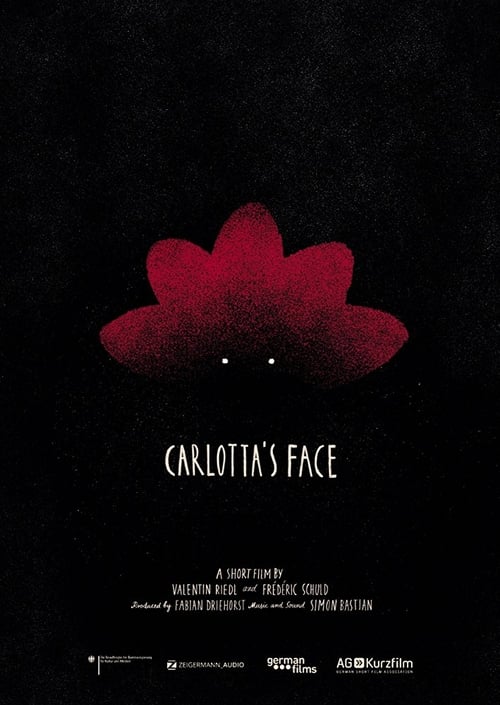
Carlotta's Face is a specialized documentary that succeeds through its deep, empathetic immersion into a non-standard cognitive reality. By using animation to bridge the gap between clinical neurology and subjective experience, the film avoids common clichés of disability representation. The work's primary strength lies in its portrayal of neurodivergence, treating prosopagnosia as a fundamental lens of existence rather than a deficit. This approach provides a profound look at how different brains perceive the world. However, the film's narrow focus on a specific neurological condition means it lacks broader multi-layered data. There is little information available to evaluate its impact regarding racial, ethnic, or LGBTQ+ representation.
Category Breakdown
The film focuses on a specific neurological condition rather than identity-based narratives. There is no explicit evidence of LGBTQ+ themes or non-assuming gender matches what was assigned at birth identities present.
The narrative centers on Carlotta, a female protagonist whose internal cognitive experience drives the story. This gives her a significant role in driving the story, disrupting traditional observer roles often assigned to women.
There is insufficient detail regarding the racial composition of the cast or the visual setting to perform a meaningful analysis of ethnic diversity.
The film deconstructs normalcy by framing prosopagnosia as a unique way of perceiving reality. Animation is used to critique social constructs and prioritize subjective truth over standardized interaction.
The film excels by providing Carlotta with high ability to act rather than treating her condition as a tragedy. Animation externalizes her cognitive landscape, offering a nuanced exploration of neurodivergence.
Present on Screen
Limited or Absent
Official Synopsis
We all share the same kind of brain yet everybody has a different view of the world around us. As a very intriguing example, Carlotta vividly explains how a world without faces does look like. She suffers from the miswiring of a tiny brain region that makes it impossible for her to see and remember faces as a complete construct, called prosopagnosia or face blindness.
1992
2016
2014
2021
2018
2007

2013
2016
No reviews yet. Be the first to share your thoughts on this movie!
Use the rating form above to leave a star rating and optional review.