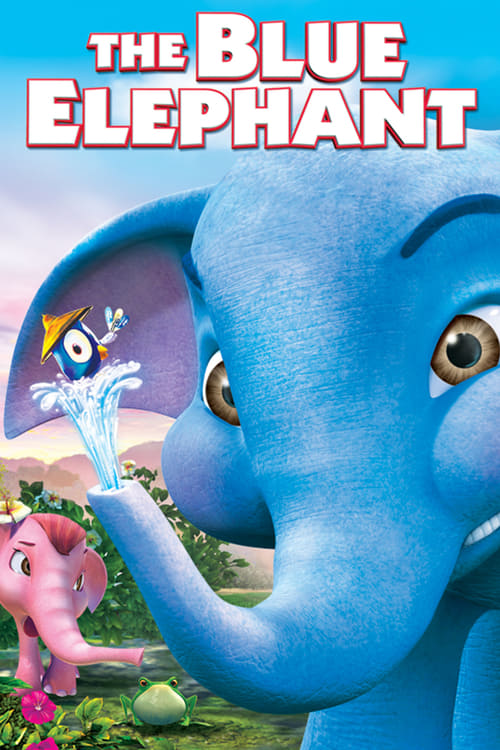
The Blue Elephant
2006
No user ratings available yet
Diversity score: 3.7 out of 10
2009
Director
Nizam Razak
Runtime
94 minutes
Average Rating
No ratings yetSynopsis
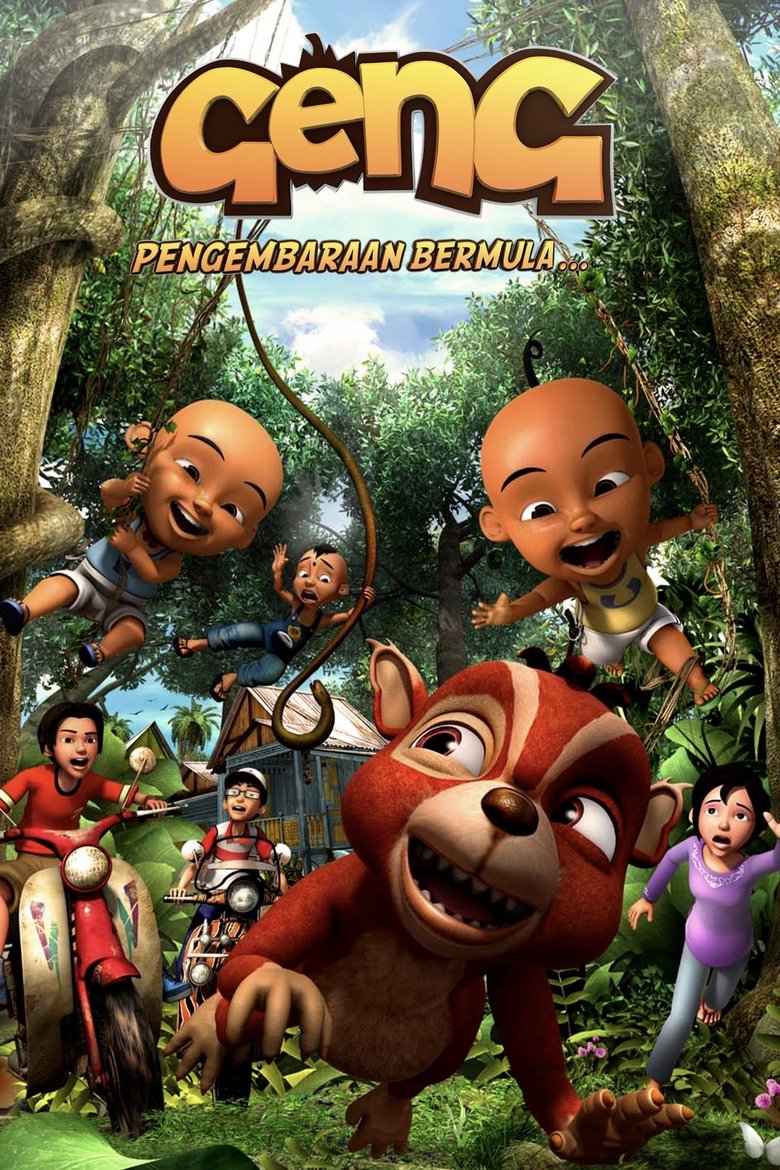
Two best friends, Badrol and Lim went to Badrol's village (kampong) where he grew up, with intentions to experience some long-forgotten true Malaysian life in his Grandfather's durian orchard. However their simple holiday trip is cut short by the discovery of a clue that leads them closer to the legend of the mystery house deep in the forest. Together with their newly found friends, Rajoo the animal-whispering boy, Rose the village beauty, and her two mischievous twin brothers, Upin and Ipin, they work together to unravel the secrets surrounding the small Kampong.
Overall Score
Limited
Category Breakdown
LGBTQ+ Representation
The film adheres to conventional heteronormative structures typical of regional family animation. There is no depiction of non-cisnormative identities or same-sex intimacy.
Gender Representation
Character dynamics rely on traditional archetypes, such as the 'village beauty' Rose. The male-led adventure lacks significant subversion of established gender hierarchies.
Racial & Ethnic Diversity
The ensemble cast effectively mirrors Malaysia's multi-ethnic fabric. Characters like Lim and Rajoo integrate diverse heritages into a cohesive, communal friendship group.
Religious & Cultural Diversity
The story celebrates traditional kampong life and the sanctity of family heritage. It reinforces communal values and respect for elders rather than critiquing them.
Disability Representation
The narrative provides no visible evidence regarding the inclusion of characters with physical or neurodivergent disabilities.
Strengths
Areas for Improvement
AI Analysis
Geng: The Adventure Begins excels at reflecting the multi-ethnic reality of Malaysia through its diverse cast of friends. By including characters of Chinese and Indian heritage alongside Malay protagonists, the film normalizes ethnic blending within a communal setting. However, the film remains deeply rooted in traditionalist social structures. It prioritizes the preservation of cultural heritage and conventional gender roles over the subversion of social norms. The narrative functions more as a celebration of established community values than a tool for social critique. Ultimately, while the film is inclusive of different ethnicities, it lacks depth in gender subversion and LGBTQ+ representation, maintaining a safe, family-oriented status quo.
2006
2007
2019
1991

1999
2014
2001
2016
No reviews yet. Be the first to share your thoughts on this movie!
Use the rating form above to leave a star rating and optional review.