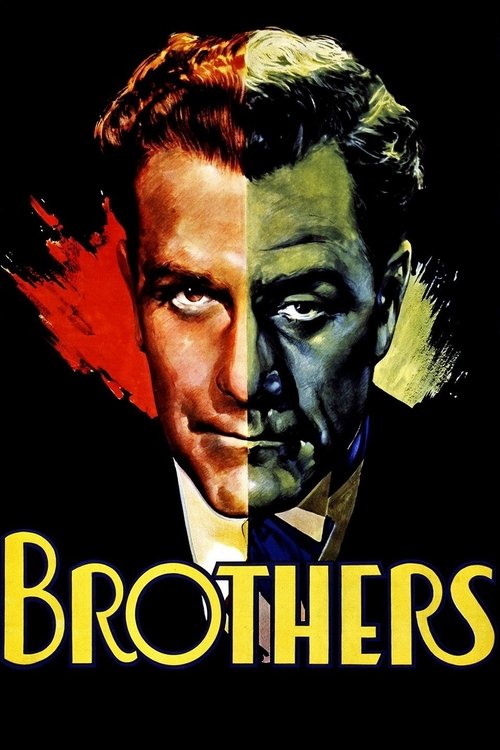
Brothers
1930
No user ratings available yet
Representation score: 0.6 out of 10
Representation Score
Minimal
1929
PassedDirector
Frank Lloyd
Runtime
60 minutes
Average Rating
No ratings yetNew Showbiz Analysis
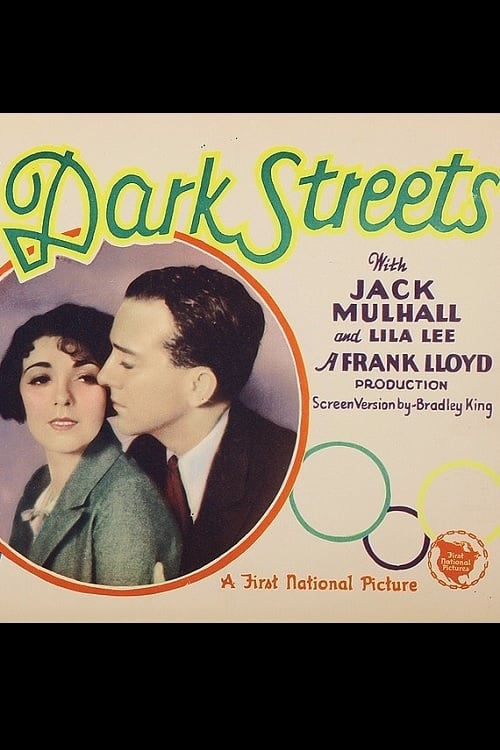
Dark Streets is a typical product of 1929 cinema, adhering strictly to the social norms of its time. The plot revolves around a rivalry between twin brothers, one a policeman and the other a criminal, which propels the narrative forward. While the film presents a clear conflict, it relies heavily on traditional clichés. Female characters are cast as prizes in a romantic competition, and the setting lacks the ethnic or cultural diversity expected in contemporary films. Ultimately, the film reinforces conventional hierarchies and moral certainties. It fails to incorporate the multi-layered complexity or systemic critique needed to transcend the demographic homogeneity typical of early crime dramas.
Category Breakdown
The film does not include any representation of LGBTQ+ identities. The narrative focuses solely on heterosexual relationships and sibling rivalry.
The male characters drive the plot through their competition and conflict. Kate Dean, a female character, is mainly portrayed as a romantic interest for the brothers, limiting her role in the story.
The setting seems to be a homogeneous neighborhood. Characters are defined by family connections rather than diverse ethnic or racial backgrounds.
The story upholds traditional social structures and state legitimacy. It emphasizes moral absolutes and familial loyalty without challenging broader societal issues.
There is no depiction of characters dealing with physical or mental health conditions. The focus remains on external crime and law enforcement conflicts.
Present on Screen
Limited or Absent
Official Synopsis
Pat and Danny McGlone are identical twin brothers, rivals and competitors in everything they do, and Pat grows up and becomes a policeman while Danny turns to a life of crime. They now find themselves on the opposite sides of the law, and both are in love with a pretty Irish girl from their neighborhood, Kate Dean. Before long one has to prove that blood is thicker than water.
1930
1938
1929
1931
1921

1932
1929
1933
No reviews yet. Be the first to share your thoughts on this movie!
Use the rating form above to leave a star rating and optional review.