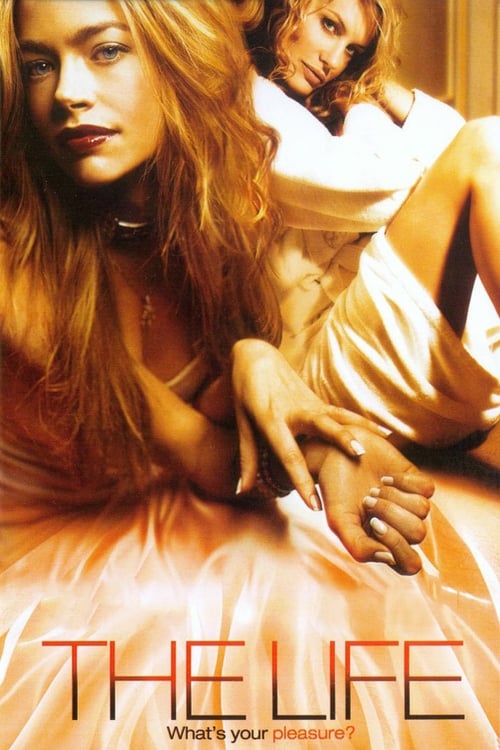
The Life
2004
No user ratings available yet
Representation score: 4.6 out of 10

Representation Score
Fair
2012
Director
Christian González
Runtime
85 minutes
Average Rating
No ratings yetNew Showbiz Analysis
Rojo orgásmico functions as a nuanced character study that prioritizes women's ability to drive the story and critiques traditional interpersonal hierarchies. By centering the story on a woman's labor and emotional reality, it disrupts standard gendered power dynamics. However, the film lacks explicit evidence of broader diversity. The narrative focus remains tightly bound to the specific transactional relationship between the filmmaker and his subject. Ultimately, the work succeeds in challenging the 'romantic hero' cliché, replacing it with a study of exploitation and professional obsession.
Category Breakdown
The story centers on a heterosexual romantic tension between Samurai and Casandra. While it doesn't explicitly include queer identities, the film challenges traditional romantic structures by focusing on the predatory nature of the gaze.
Casandra drives the emotional stakes, making the narrative focus on female labor and reality. The male protagonist is portrayed through his professional detachment and moral failure, rather than as a heroic figure.
The film's production context suggests a non-Anglo-centric perspective. It focuses on underrepresented labor sectors, though specific details about the racial identity of the cast remain unconfirmed.
The narrative critiques the sanctity of the creative process and deconstructs the romantic hero archetype. It offers a skeptical view of traditional social bonds and conventional romantic outcomes.
There is no discernible evidence regarding the inclusion of characters with visible or invisible disabilities within the narrative.
Present on Screen
Limited or Absent
Official Synopsis
A film student, Samurai, decides to make a documentary on Casandra's, a table dancer, work and family life. The nearness of both makes her fall in love to the filmmaker. He prefers to leave her and finish the work filming her in secret; this abandonment makes the story finish on a tragedy.
2004
1992
2015
2009
2022

2004
2012

2017
No reviews yet. Be the first to share your thoughts on this movie!
Use the rating form above to leave a star rating and optional review.