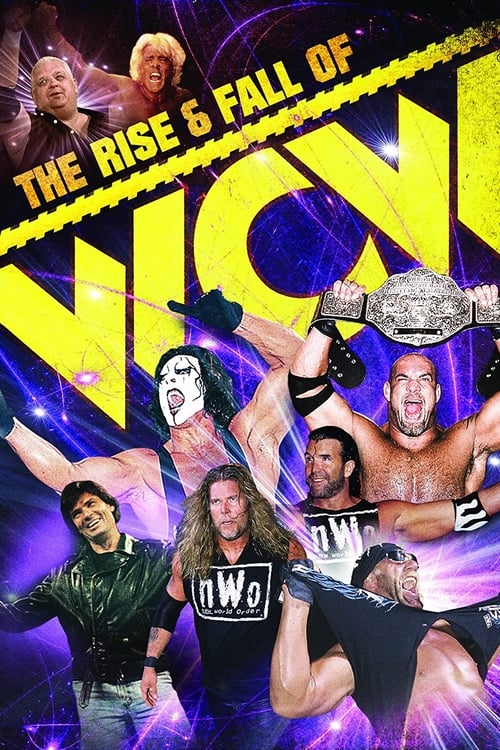
The Rise & Fall of WCW
2009
No user ratings available yet
Representation score: 1.3 out of 10
Representation Score
Fair
2004
TV-MADirector
Kevin Dunn
Runtime
360 minutes
Average Rating
No ratings yetNew Showbiz Analysis
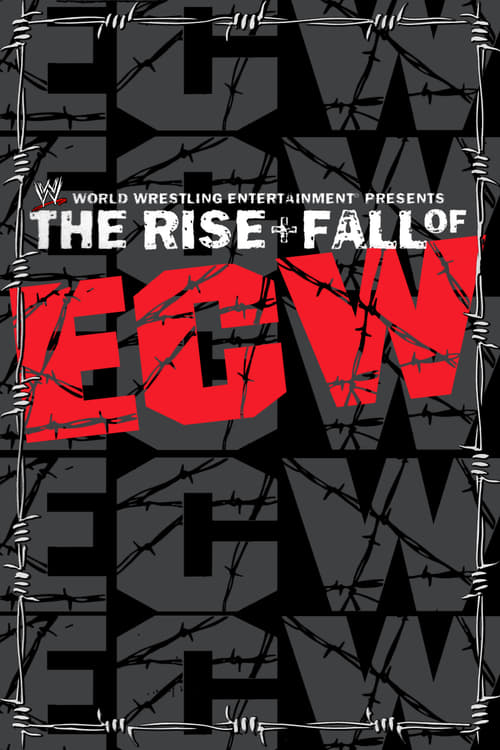
The documentary serves as a retrospective on the cultural phenomenon of Extreme Championship Wrestling, framing it through a counter-culture versus corporate dichotomy. It effectively documents a subculture defined by its defiance of mainstream professional wrestling conventions. However, the film's diversity is limited by its subject matter. The hyper-masculine setting results in minimal LGBTQ+ visibility and a gendered narrative that relies on traditional formulas. While racial diversity is present through various performers, it lacks deeper exploration of multiple aspects of identity. The film's primary strength lies in its thematic exploration of systemic defiance. It captures the tension between independent entities and large-scale capitalist structures, validating a narrative of rebellion against institutional order.
Category Breakdown
The film lacks significant focus on LGBTQ+ narratives or non-cisgender identities. The hyper-masculine environment of early-2000s wrestling leads to almost no visible queer presence.
Male performers and traditional masculine roles dominate the story. While the women's division is mentioned, the portrayals follow conventional stereotypes with little challenge to gender hierarchies.
The roster includes performers from various ethnic backgrounds, such as Sabu and Rob Van Dam. Representation centers on individual athletic performance without deeper exploration of multiple aspects of diversity.
The documentary excels in depicting anti-establishment and anti-corporate themes. It frames the ECW ethos as a rebellion against the sanitized, commercialized entertainment of larger corporate institutions.
There is no noticeable focus on visible or invisible disabilities. The narrative emphasizes physical athleticism and the extreme nature of the performers' personas.
Present on Screen
Limited or Absent
Official Synopsis
The Rise + Fall of ECW is a 2004 direct-to-video documentary produced by World Wrestling Entertainment. It chronicles the history of Philadelphia-based professional wrestling promotion Extreme Championship Wrestling.
2009
2013

2006
2012

2012
2002
2016
2005
No reviews yet. Be the first to share your thoughts on this movie!
Use the rating form above to leave a star rating and optional review.