
Le Fantôme des Saintes
2024
No user ratings available yet
Representation score: 4.8 out of 10
Representation Score
Limited
2025
Director
Julien Seri
Average Rating
No ratings yetNew Showbiz Analysis
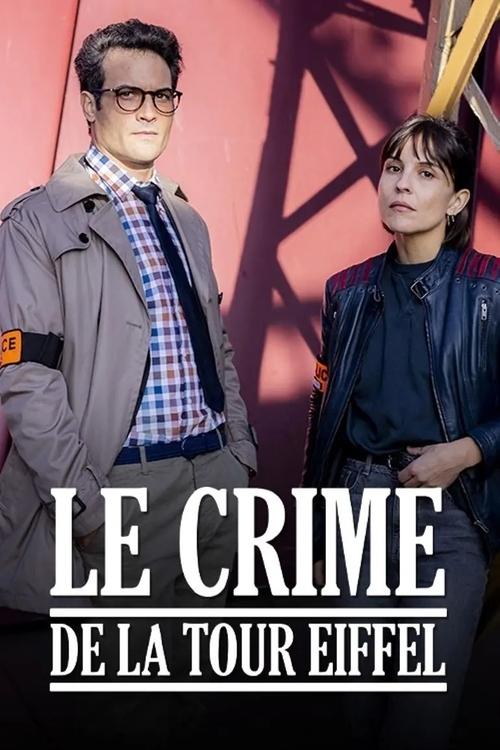
Le crime de la Tour Eiffel features a typical ensemble cast found in contemporary European crime mysteries. The production benefits from professional diversity in casting, but the narrative itself remains unexplored in terms of deep identity-driven storytelling. While the gender balance among lead actors is noteworthy, the film lacks evidence of challenging systemic power structures or providing substantial roles for underrepresented groups. It seems to adhere to conventional genre formulas without actively disrupting them. Overall, the film serves as a standard genre piece. It avoids extreme homogeneity through its casting choices but does not provide clear evidence of meaningful representation for LGBTQ+ or disabled communities.
Category Breakdown
The film does not include any confirmed LGBTQ+ themes or non-cisgender identities. The cast includes diverse performers, but there are no explicit LGBTQ+ elements in the story.
The film features a balanced gender distribution among its main cast. However, it is unclear if female characters have significant roles or challenge traditional power dynamics.
The cast includes a mix of performers, indicating a move away from a homogeneous group. However, the story does not explore multi-layered identities or race-bent casting.
Set in Paris, the film follows a traditional Western narrative without critiquing Western institutions or promoting specific religious or cultural ideals.
The film does not depict any characters dealing with physical, neurodivergent, or mental health conditions. There is no mention of disability representation.
Present on Screen
Limited or Absent
2024

2020
2022

2021

2024
2018
2023

2023
No reviews yet. Be the first to share your thoughts on this movie!
Use the rating form above to leave a star rating and optional review.