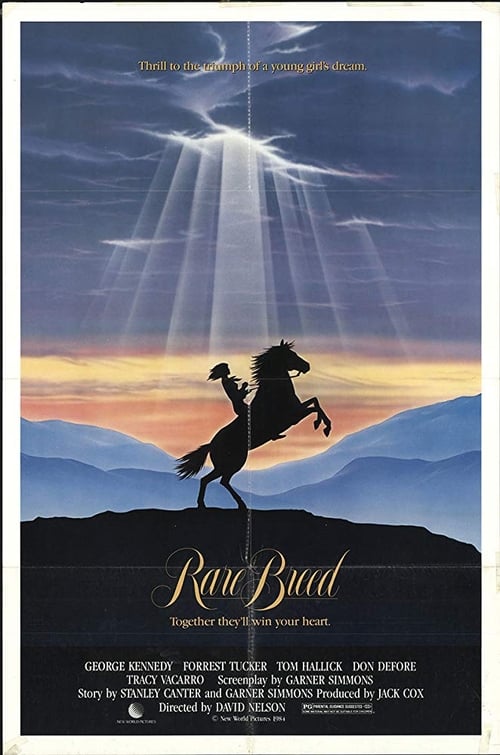
A Rare Breed
1984
No user ratings available yet
Representation score: 2.0 out of 10
Representation Score
Minimal
1999
TV-14Director
Dennis C. Lewiston
Runtime
95 minutes
Average Rating
No ratings yetNew Showbiz Analysis
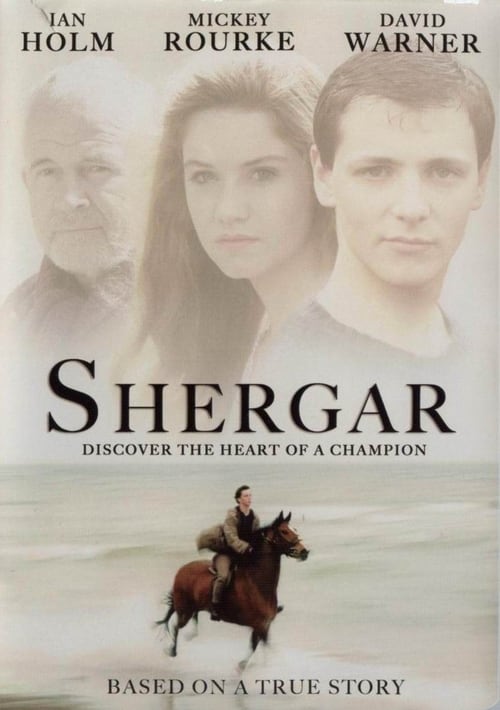
Shergar is a period-specific biographical crime drama that prioritizes historical accuracy and localized conflict over inclusive storytelling. The film's structure is built upon conventional hierarchies, focusing on a homogeneous cast and male-centric control over the story. The narrative lacks engagement with diverse cultural and gender perspectives, remaining rooted in a specific Anglo-Saxon demographic. It functions as a standard genre piece that does not attempt to disrupt traditional social norms. Ultimately, the film reinforces traditional gender and social structures, centering professional authority and investigative leadership within a narrow, male-dominated framework.
Category Breakdown
The film follows a traditional biographical drama framework centered on Irish racing and political tension. It contains no LGBTQ+ characters or non-cisgender identities.
Character dynamics are heavily weighted toward male-dominated spaces like the racing industry. The narrative focuses on male control over the story and their roles in both the crime and the subsequent investigation.
The cast is highly homogeneous, reflecting the specific socio-political landscape of Ireland. The storytelling relies on a localized demographic with little engagement with different cultural backgrounds.
The plot treats the IRA's actions as a criminal disruption of commercial institutions rather than a lens for systemic liberation. It follows a standard procedural trajectory.
There is no discernible representation of physical or neurodivergent disabilities. Characters are defined solely by their roles within the racing and criminal sectors.
Present on Screen
Limited or Absent
Official Synopsis
Shergar, Ireland's most decorated thoroughbread and perhaps the greatest race horse of all time, is kidnapped by IRA terrorists and held for a $2 million ransom. Can a young stable boy save Shergar's life... and his own before it's too late?
1984
1998
1983

2020
1949
2005
1979
2008
No reviews yet. Be the first to share your thoughts on this movie!
Use the rating form above to leave a star rating and optional review.