
Lina from Lima
2022
No user ratings available yet
Representation score: 6.9 out of 10
Representation Score
Excellent
2015
Director
Ana Katz
Runtime
85 minutes
Average Rating
No ratings yetNew Showbiz Analysis
Ana Katz’s short film is a nuanced character study that delves into the psychological complexities of class interactions. It succeeds by challenging the idealized maternal figure and exploring the tension between different socioeconomic levels. The film excels in its critique of social hierarchies and the fragility of trust. By focusing on the volatile relationship between a middle-class mother and a factory worker, it challenges conventional domestic narratives. However, the film lacks explicit representation for LGBTQ+ identities and disabilities. While it offers deep sociological insights, it remains centered on a specific, narrow demographic of social and gendered struggles.
Category Breakdown
The film does not include explicit LGBTQ+ characters or non-straight relationships. However, it emphasizes a female-centric emotional journey that avoids traditional male-dominated storytelling.
The movie deconstructs the idea of the perfect mother by showing Liz as a stressed and overwhelmed person. It challenges gender hierarchies by highlighting the judgment women face in caregiving roles.
While not focusing on overt racial diversity, the film uses class as a stand-in for identity. It provides a grounded look at the Chilean working class and social mobility.
The film questions the stability of the capitalist social order through class conflict. It portrays the traditional social structure as a source of anxiety rather than comfort.
There is no significant or explicit representation of physical or neurodivergent disabilities. The narrative focuses on psychological and sociological dimensions.
Present on Screen
Limited or Absent
Official Synopsis
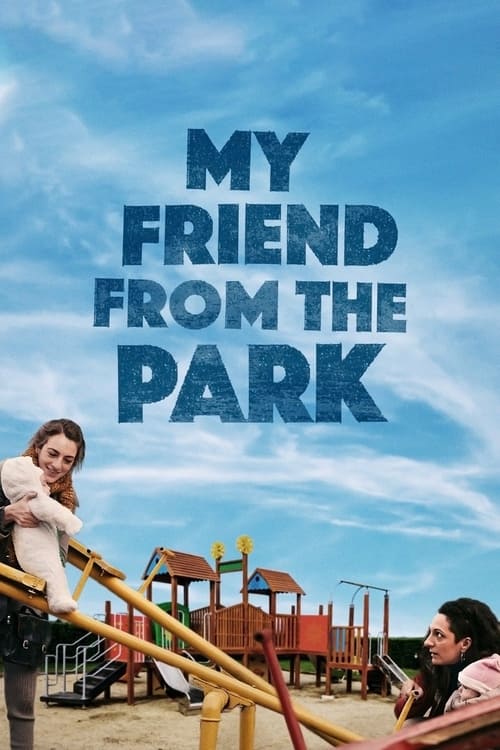
While her filmmaker husband works in Chile, harried young mother Liz struggles to take care of her infant son. Feeling out of place amongst the tight-knit group of other parents at the park, doubted by her husband, and judged by her newly hired nanny, Liz is drawn to factory worker Rosa, a plain-talking single mother she meets at the swings one day. Despite Liz’s liberation upon finding a bold new confidante, the friends’ increasingly apparent class differences, along with swirling rumors about Rosa’s motives and muddy family situation, feed Liz’s suspicions that her new pal might be a sinister influence on her already fragile life.
2022
1989
2018
2015

2013

2014
2020

1997
No reviews yet. Be the first to share your thoughts on this movie!
Use the rating form above to leave a star rating and optional review.