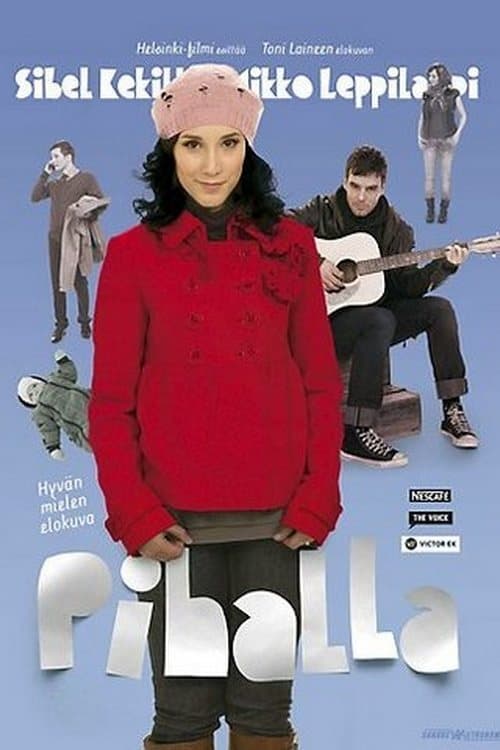
Playground
2009
No user ratings available yet
Representation score: 4.5 out of 10

Representation Score
Limited
2010
Director
Antoinette Beumer
Runtime
97 minutes
Average Rating
No ratings yetNew Showbiz Analysis
The film operates within a narrow dramatic framework, focusing on the domestic friction experienced by a woman transitioning into motherhood. While it touches on the loss of identity caused by traditional gender roles, it does so through a conventional lens rather than a systemic critique. The narrative lacks complexity, focusing on a specific Western, upper-middle-class experience. This focus results in a lack of racial, cultural, or LGBTQ+ diversity, as the story follows a standard romantic and familial trajectory. Ultimately, the film serves as a character-driven study of domesticity and class, adhering to traditional clichés of the 'traumatized' homemaker without expanding the scope to include broader social or identity-based perspectives.
Category Breakdown
The film focuses on a traditional heterosexual marriage and the transition into parenthood. It does not include any non-straight or non-cisgender identities or critiques of the assumption that everyone is straight or cisgender.
Lea faces the shift from an immaculate lifestyle to the realities of domestic work. The story highlights the loss of personal control within traditional feminine roles.
The setting and character descriptions suggest a focus on a specific Western socioeconomic class. There is no indication of a diverse or non-Anglo-Saxon majority cast.
The story examines upper-middle-class values and consumerism through a traditional family unit. It functions as a character study of domestic adjustment rather than a social deconstruction.
The provided context offers no information regarding the inclusion of characters with physical, sensory, or neurodivergent disabilities.
Present on Screen
Limited or Absent
Official Synopsis
Lea is an immaculate 30-something wife whose husband’s job in real estate allows her an enviably glossy lifestyle. The word ‘emancipation’ simply isn't in her vocabulary and as long as the money rolls in, all is rosy. So, when Harry Jr. arrives, she is a little traumatized at having to swap canapés for nappies.
2009

2009
2020

1970

2014

2009

2012

2011
No reviews yet. Be the first to share your thoughts on this movie!
Use the rating form above to leave a star rating and optional review.