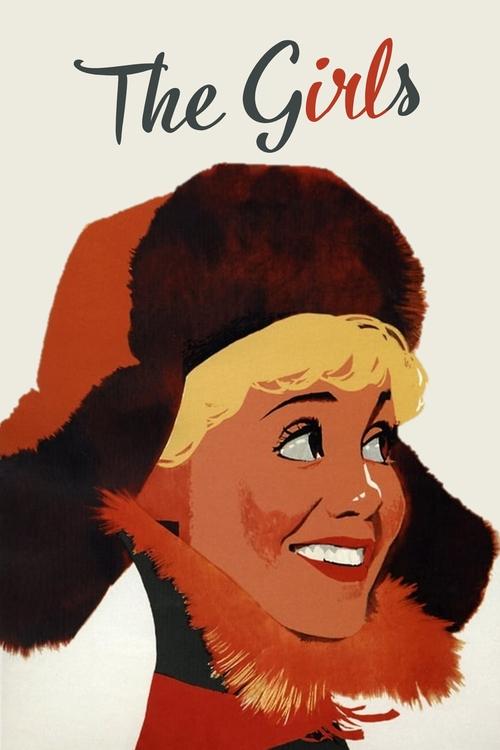
The Girls
1962
No user ratings available yet
Representation score: 3.0 out of 10

Representation Score
Limited
2025
Director
Simon Baghdasaryan
Runtime
90 minutes
Average Rating
No ratings yetNew Showbiz Analysis
Knock on My Tver operates within the established boundaries of the romantic comedy genre, prioritizing traditional clichés over storytelling that reflects multiple aspects of identity. The narrative centers on a classic 'opposites attract' dynamic between a rural man and a metropolitan woman, which reinforces conventional gendered archetypes. The film lacks significant diversity in terms of race, ethnicity, and LGBTQ+ representation. The setting and cast appear culturally homogeneous, focusing on a localized demographic within the Tver region without introducing multi-ethnic perspectives. Ultimately, the film celebrates the merging of different social strata through personal connection rather than challenging existing social or cultural hierarchies. It remains a conventional, localized romantic narrative.
Category Breakdown
The film follows a traditional romantic arc between a male farmer and a female businesswoman, lacking representation of non-binary or non-cisgender identities. It also does not critique traditional courtship models.
Alisa is depicted as a professional businesswoman who plays a significant role in driving the story. However, the plot relies on forced proximity to develop the romance, leaning into traditional gendered archetypes of the rugged laborer and sophisticated urbanite.
The setting and cast suggest a culturally homogeneous narrative, with no indication of a multi-ethnic cast or the inclusion of diverse non-Slavic identities.
The story focuses on reconciling urban and provincial values through a romantic union, reinforcing traditional structures regarding land ownership and rural lifestyles without offering subversive critiques.
There are no visible or invisible disabilities mentioned or depicted in the character descriptions.
Present on Screen
Limited or Absent
Official Synopsis
A lonely farmer from the Tver region, Sergey, is forced to sell part of his holdings due to debts. The buyer turns out to be Alisa, a businesswoman from the capital, for whom this is an easy and profitable deal. Unexpectedly, Sergey refuses Alisa and asks her to leave. Discouraged by such a "warm" welcome, the girl decides to convince Sergey and remains to live in his house. After all, even nature itself helps Alisa, bringing down a hurricane on the farm, blocking all exits. Will a rural handsome man and a metropolitan socialite be able to get along together for at least a couple of days? And at what point will they understand that they are united not only by business, but also by love.
1962
2005
2013

2016

2020

2011

2025

2017
No reviews yet. Be the first to share your thoughts on this movie!
Use the rating form above to leave a star rating and optional review.