
Husbands in Goa
2012
No user ratings available yet
Representation score: 2.8 out of 10
Representation Score
Limited
2013
Director
Vinay Govind
Runtime
84 minutes
Average Rating
No ratings yetNew Showbiz Analysis
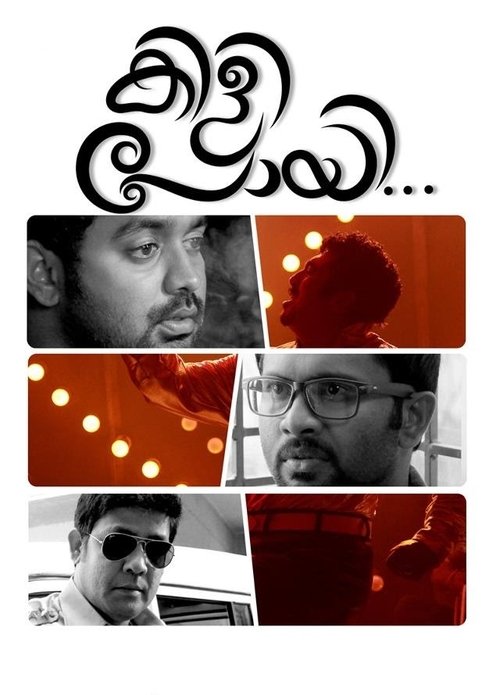
Kili Poyi is a localized dark comedy that prioritizes the chaotic escapades of its male leads over diverse social exploration. While it includes a female professional and a foreign character, it relies heavily on established cinematic archetypes. The film's treatment of gender is particularly limited, as the female boss is framed through the cliché of emotional volatility, reinforcing traditional hierarchies. Ultimately, the diversity present is incidental to the plot rather than an intentional effort to engage with complex multi-layered identities or systemic social critiques.
Category Breakdown
The film adheres to a traditional framework that assumes everyone is straight. It focuses on male relationships and the pursuit of a foreign woman, without any queer narratives.
A female boss holds professional authority but is portrayed through emotional outbursts. The narrative centers on the male protagonists, with the female boss having little control over the story.
The inclusion of a foreign character in Goa introduces cross-cultural interactions. However, this character is more of a standard exotic encounter cliché rather than a deep exploration of identity.
The story explores escapism and rebellion against workplace hierarchy. It lacks a systemic critique of religious morality or broader Western institutions, focusing instead on situational chaos.
There is no discernible evidence regarding the portrayal of physical or neurodivergent disabilities within the character descriptions or plot.
Present on Screen
Limited or Absent
Official Synopsis
Chacko and Hari are two young ad professionals who are fed up with their boss (Sandra Thomas) and her tantrums. They decide to take a break and head to Goa, where Chacko ends up meeting a beautiful foreigner (Sabreen Baker). The rest of the story revolves around their return from Goa, a mysterious bag and an extremely angry boss. Chacko and Hari is played by Asif Ali and Aju.
2012
2006

2013
2005

2014
2020
2012
2017
No reviews yet. Be the first to share your thoughts on this movie!
Use the rating form above to leave a star rating and optional review.