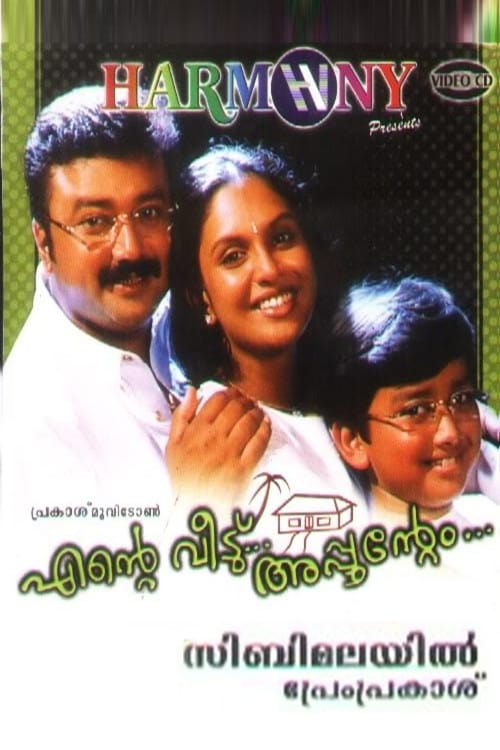
Ente Veedu... Appuvinteyum
2003
No user ratings available yet
Representation score: 1.1 out of 10
Representation Score
Limited
1990
Director
Bharathan
Runtime
106 minutes
Average Rating
No ratings yetNew Showbiz Analysis
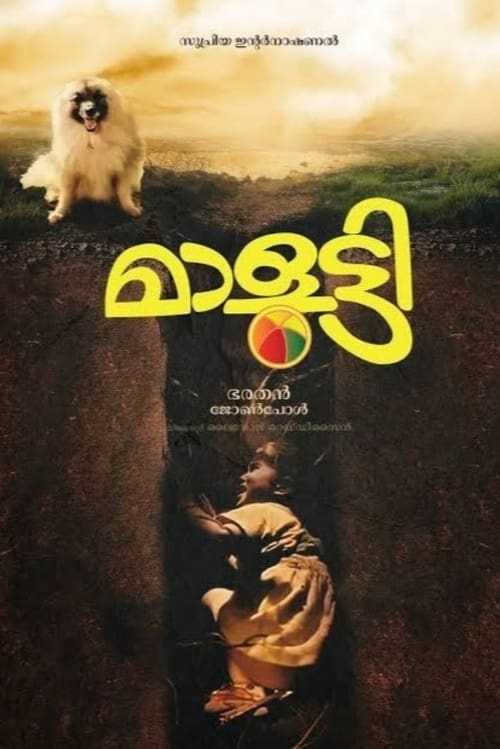
Malootty is a sentimental tragedy centered around a single, devastating event. The film excels at evoking deep empathy through its focus on familial grief and emotional realism. However, the narrative stays within the conventional social structures of early 1990s regional cinema. It prioritizes traditional domestic values over progressive representation. The film does not seek to challenge power dynamics or introduce diverse identities, focusing instead on a study of loss within a stable, traditional framework.
Category Breakdown
The film follows a traditional framework that assumes everyone is straight and cisgender. It does not include any characters or stories that challenge established social norms related to gender and sexuality.
The roles in the film follow traditional gender roles of the time. Female characters have important emotional roles, but the story reinforces traditional roles focused on protection and mourning.
The film offers an authentic look at rural Kerala, presenting a culturally uniform setting without introducing diverse ethnic backgrounds.
The story emphasizes family stability and strong parental bonds, reinforcing traditional social cohesion. It does not offer alternative or subversive views on society.
Physical trauma in the film serves as a plot device to drive emotional arcs rather than providing a nuanced exploration of disability.
Present on Screen
Limited or Absent
Official Synopsis
Five-year-old Malooty is visiting her grandparents' home and ends up falling in a borewell while playing ball with her dog. Her father struggles to rescue her before it is too late.
2003
2000
2005
2000
2006

2008

2011

2022
No reviews yet. Be the first to share your thoughts on this movie!
Use the rating form above to leave a star rating and optional review.