
Breaking Free
2015
No user ratings available yet
Representation score: 7.1 out of 10
Representation Score
Good
2003
Not RatedDirector
Sridhar Rangayan
Runtime
35 minutes
Average Rating
No ratings yetNew Showbiz Analysis
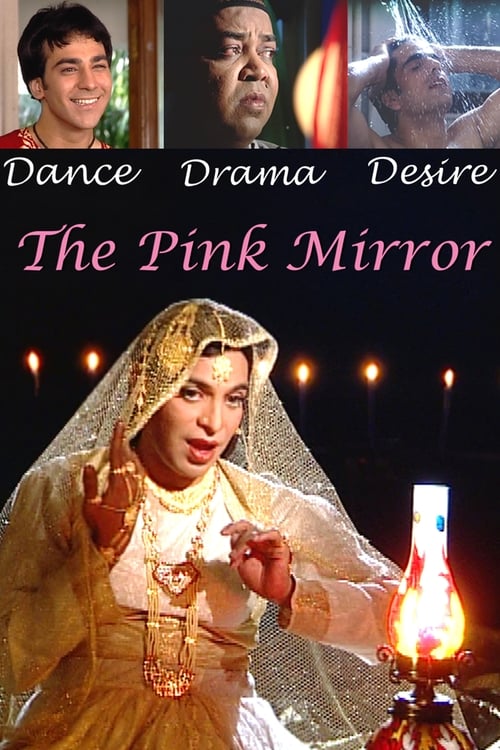
The Pink Mirror is a groundbreaking South Asian independent film that challenges mainstream assumptions. By focusing on the lives of transgender women and queer youth, it goes beyond simple inclusion to make these identities central to the story. The film uses the way different aspects of identity overlap to explore how economic status affects the experience of being underrepresented. It critiques the social and religious pressures used to enforce conformity in India. While the film excels in addressing sexual and gender identity, it does not significantly represent physical or neurodivergent disabilities.
Category Breakdown
The film centers trans women and gay men as the main characters driving the plot. It offers an honest look at queer relationships and the ridicule faced in a restrictive society.
Characters challenge traditional masculine stereotypes by showing a range of gender expressions. This highlights the performative nature of gender within a patriarchal system.
The narrative uses economic differences to show how class and identity intersect. It presents a diverse social landscape, avoiding uniform depictions.
The story criticizes conservative social institutions and the pressure to conform to traditional family structures. It emphasizes individual authenticity over conventional morality.
There is no significant evidence regarding the portrayal of physical or neurodivergent disabilities within the film.
Present on Screen
Limited or Absent
Official Synopsis
Award-winning Indian film drama. Said to be the first Indian film to comprehensively focus on Indian trans people, with the entire story revolving around two trans women and a gay teenager's attempts to seduce a man - Samir. The film explores the taboo subject of trans people in India, which is still much misunderstood and ridiculed.
2015

2022
2018

1997
2010
2007
2002

2016
No reviews yet. Be the first to share your thoughts on this movie!
Use the rating form above to leave a star rating and optional review.