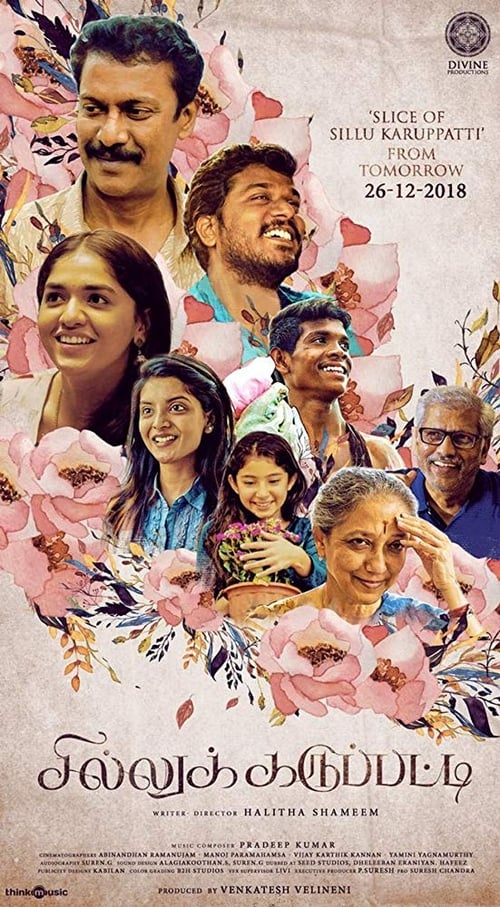
Sillu Karuppatti
2019
No user ratings available yet
Representation score: 4.0 out of 10

Representation Score
Fair
2018
Director
Venkatesh Maha
Runtime
152 minutes
Average Rating
No ratings yetNew Showbiz Analysis
C/o Kancharapalem is a sophisticated vignette-based drama that explores human connections across different eras. Its primary strength lies in its nuanced depiction of a multi-layered community where religious and socioeconomic identities coexist naturally. The film avoids the clichés of commercial regional cinema by presenting a textured social fabric. It successfully integrates diverse social strata and religious backgrounds into a cohesive, humanistic narrative. However, the film remains within traditional frameworks. It does not challenge conventional structures or provide representation for LGBTQ+ identities or characters with disabilities.
Category Breakdown
The film focuses solely on heterosexual romantic relationships. There is no indication of queer relationships or non-cisgender gender identities among the characters.
Female characters have significant emotional influence and steer their own romantic paths. They navigate social constraints with autonomy rather than serving as mere catalysts for male development.
The film excels in showcasing internal diversity within Andhra Pradesh. It incorporates various castes and socioeconomic backgrounds, from manual laborers to established residents, without resorting to stereotypical caricatures.
The narrative highlights religious pluralism by featuring Hindu and Muslim characters living together. It treats religious identity as a natural part of the community rather than a source of conflict.
There are no prominent depictions of visible or invisible disabilities that serve as central plot drivers or character studies.
Present on Screen
Limited or Absent
Official Synopsis
From a schoolboy’s crush to a middle-aged bachelor’s office romance, four love stories spanning age, religion and status unfold in a small Indian town.
2019

2018

2021

2014

2020

2004
2000
2021
No reviews yet. Be the first to share your thoughts on this movie!
Use the rating form above to leave a star rating and optional review.