
Pieces of Me
2013
No user ratings available yet
Representation score: 6.6 out of 10
Representation Score
Excellent
2024
Director
Blandine Lenoir
Runtime
95 minutes
Average Rating
No ratings yetNew Showbiz Analysis
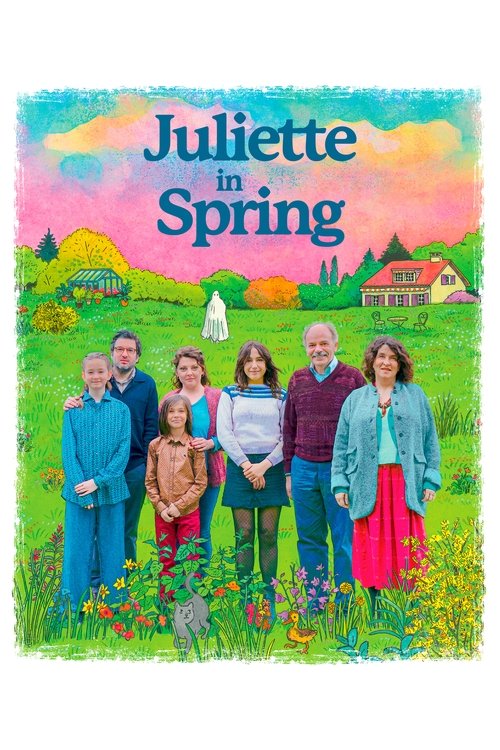
Juliette in Spring is a character-driven drama that excels at centering the female experience. By focusing on a matriarchal domestic sphere, it elevates the emotional complexities of women's lives over traditional patriarchal structures. However, the film lacks explicit evidence of racial or LGBTQ+ the way different parts of someone's identity overlap. The narrative appears localized and homogeneous, which limits its broader social representation. Ultimately, the film succeeds as a subversion of the idealized family unit. It trades traditional stability for a nuanced look at cognitive decline and shifting spiritual identities.
Category Breakdown
The film focuses on a central female protagonist and her family. While no LGBTQ identities are explicitly mentioned, the focus on buried secrets suggests potential for exploring unconventional personal histories.
This drama centers almost exclusively on the female experience. By focusing on the interconnected lives of a mother, sister, and grandmother, it prioritizes female emotional labor and existential crises.
The narrative appears to be a localized, intimate family portrait. There is currently no evidence to suggest a departure from a more homogeneous casting profile.
The film deconstructs the idealized nuclear family through moody dynamics and secular spiritualities. A New Age mother suggests a shift away from traditional religious or institutional moral frameworks.
The story introduces themes of cognitive decline through a grandmother losing her mind. The tender tone suggests an empathetic approach to mental health or age-related disability.
Present on Screen
Limited or Absent
Official Synopsis
Juliette goes back in her hometown to spend some time with her family. She finds herself between a loving but moody father, a New Age mother, a sister in the midst of an existential crisis, and a grandmother slowly losing her mind. Buried memories and family secrets rise to the surface in this sweet, tender and sometimes extravagant family portrait.
2013

2023

2020
2019

2022

2016

2024

2023
No reviews yet. Be the first to share your thoughts on this movie!
Use the rating form above to leave a star rating and optional review.