
Finnegan Begin Again
1985
No user ratings available yet
Representation score: 4.1 out of 10
Representation Score
Minimal
1992
PG-13Director
Steven Schachter
Runtime
92 minutes
Average Rating
No ratings yetNew Showbiz Analysis
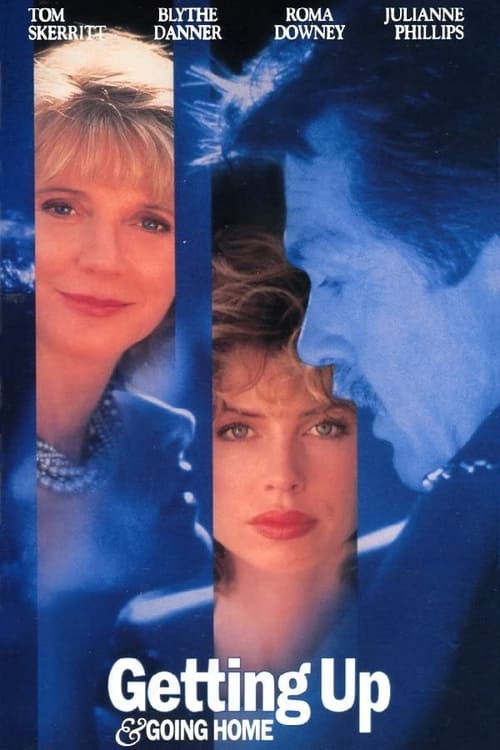
Getting Up and Going Home is a character-driven film centered on a middle-aged man's psychological struggles and romantic dilemmas. The narrative adheres to typical 1990s dramatic conventions, emphasizing individual moral quandaries and infidelity. The film lacks depth in representing diverse identities and experiences. It prioritizes a traditional male-centric viewpoint, where women primarily serve as catalysts for the male protagonist's growth rather than as independent actors. Overall, the movie aligns closely with conventional social structures and individualistic storylines, showing limited engagement with broader social critiques or diverse representation.
Category Breakdown
The film does not include any characters with non-binary gender identities or same-sex relationships. It focuses solely on a heterosexual relationship between the male protagonist and women.
Three women are present, but they seem to play supporting roles rather than having their own goals and motivations. They appear to influence the male protagonist's journey more than driving their own stories.
There is no information available regarding the racial or ethnic composition of the cast. The setting and character backgrounds remain unspecified.
The storyline revolves around a lawyer dealing with personal ethics and infidelity, suggesting a narrative grounded in traditional, secular values and societal norms.
The synopsis does not mention any characters with physical disabilities, mental health issues, or neurodivergence. There is no indication of characters being driven by disability.
Present on Screen
Limited or Absent
Official Synopsis
A middle-aged lawyer struggles to face his inner demons as he finds himself embroiled in affairs with three separate women.
1985

1988

1995
1986
1985
1999

1989

1999
No reviews yet. Be the first to share your thoughts on this movie!
Use the rating form above to leave a star rating and optional review.